




The Definitive Guide to Saint Tropez's Best Luxury Hotel Suites | LaSuite.com
BY Jules PEULET
An elite curation of Saint-Tropez’s most architecturally significant luxury hotel suites, exploring pastoral Provencal estates, private beachfront pavilions, and the definitive barefoot Riviera lifestyle.
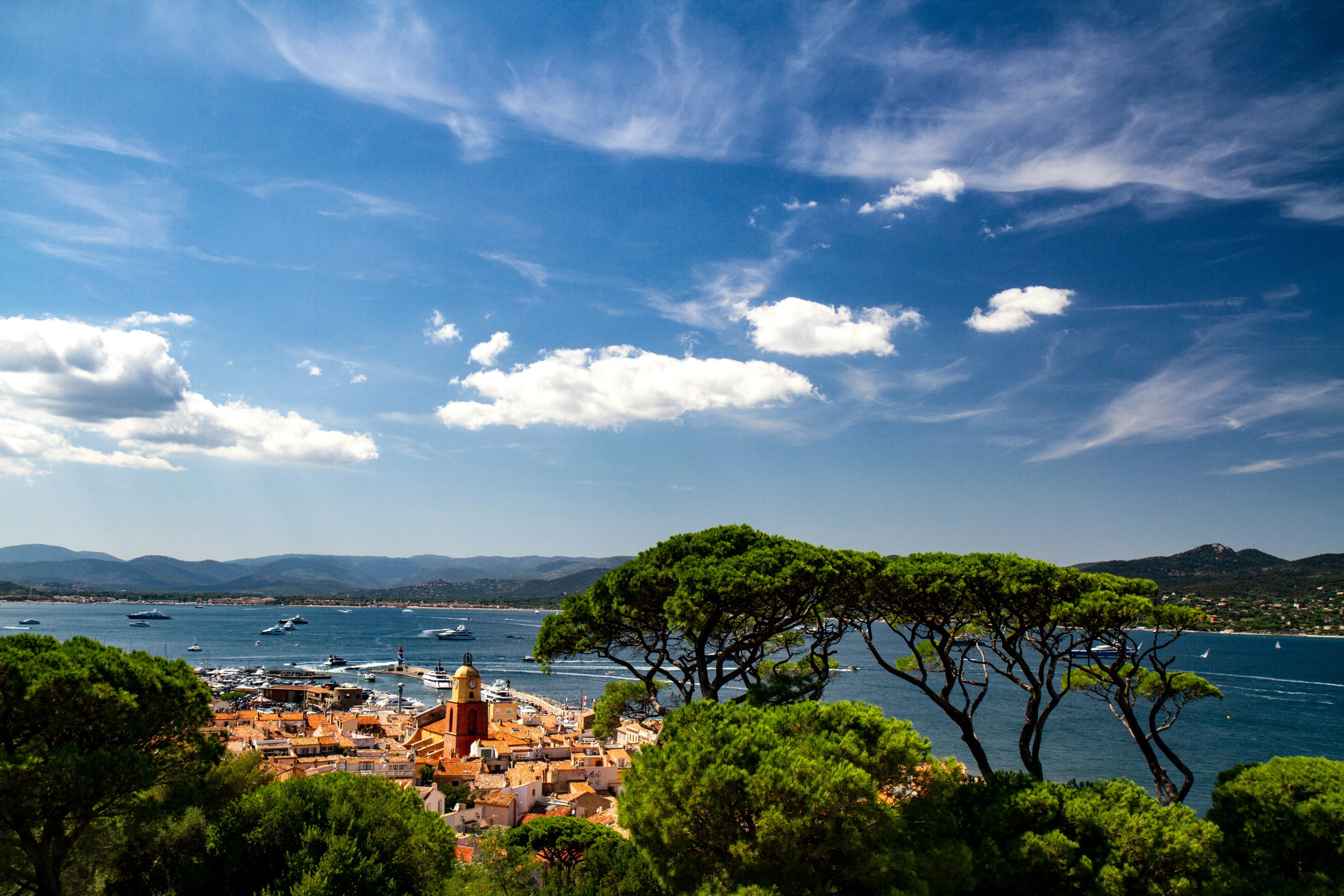
Saint-Tropez occupies a mythical space in the global luxury landscape. What began as a quiet, pastel-hued fishing village has evolved into the ultimate summer epicenter for international jet-setters, fashion dynasties, and mega-yacht owners. Yet, despite its colossal reputation, the Saint-Tropez peninsula remains a geographically constrained and fiercely protected natural environment. This creates a highly complex hospitality real estate market. Because the village's historic center is defined by tight, centuries-old footprints, standard premium rooms frequently lack the spatial luxury required at this price point. To truly unlock the sublime magic of the peninsula, one must look beyond standard inventory and secure the sprawling, horizontally
isolated sanctuaries of its finest signature suites and private Provencal villas.
At La Suite, we operate with an uncompromising design-centric filter that prioritizes structural authenticity, volumetric grandeur, and seamless indoor-outdoor flow. In a destination defined by the scent of maritime pines, blinding Mediterranean light, and the rhythmic cicadas, a world-class suite must function as an independent private estate. It must perfectly balance the rustic charm of rural Provence with the flawless execution of modern luxury. This guide serves as your strategic architectural compass to Saint-Tropez's ultimate hospitality assets, mapping out the secluded vineyard pavilions, the iconic village penthouses, and the private beach decks where the golden sand of Pampelonne meets your personal salon.
1. Architectural DNA & Spatial Philosophy
The architectural framework of ultra-luxury hotel suites in Saint-Tropez is defined by a captivating stylistic dialogue: the rustic, sun-baked gravity of traditional Provencal bastides operating in perfect harmony with a chic, effortless mid-century modernism. Inside the peninsula’s elite hospitality sanctuaries, the design language completely rejects the glossy, marble-heavy opulence found in Monaco or Cannes. Instead, luxury is articulated through a deeply tactile, organic, and localized material palette.
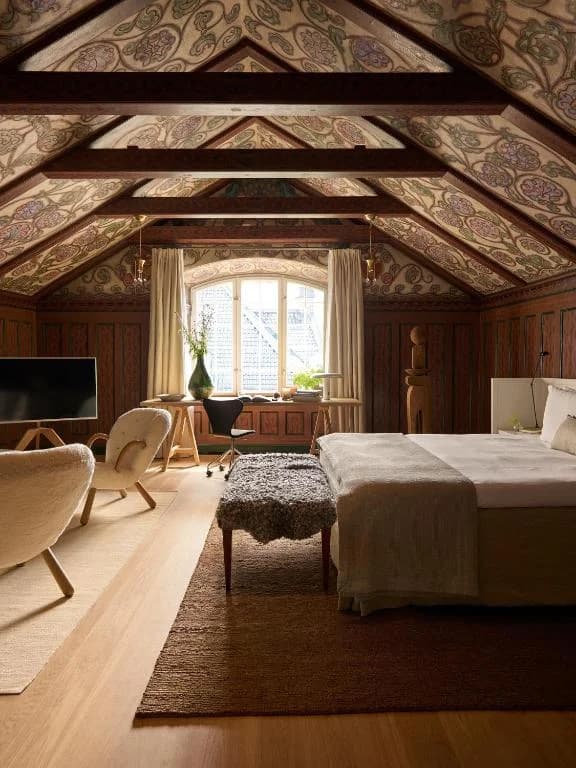
Spaces are anchored by authentic terracotta tomettes (hexagonal floor tiles), raw exposed oak ceiling beams, smooth lime-washed walls, and hand-painted ceramics from nearby Cogolin. The architectural focus centers entirely on dissolving the boundary between the interior salon and the natural landscape. Suites utilize deep shaded pergolas covered in jasmine, massive sliding glass panels, and private internal courtyards to create a continuous flow between the bedroom and the Mediterranean gardens.
This structural identity has been masterfully elevated by an elite circle of architects and designers. The legendary François Vieillecroze has shaped much of the peninsula's luxury landscape, mastering the art of integrating vast, modern amenities within strictly protected traditional facades.
Designer Charles Zana brought a refined, low-slung, residential elegance to properties like Hotel Lou Pinet, utilizing vintage mid-century ceramics, soft linens, and bespoke wooden furniture to create spaces that feel like the private summer home of an affluent art collector.
Meanwhile, at Cheval Blanc St-Tropez, architect Jean-Michel Wilmotte engineered a brilliant nautical modernism, utilizing crisp Riviera blue-and-white palettes, custom sand-toned stonework, and expansive floor-to-ceiling glass that pulls the vibrant colors of the Mediterranean directly into the master suites.
2. Neighborhoods & Vibe Mapping
The Saint-Tropez peninsula is a diverse micro-region divided into highly distinct zones, each possessing its own social velocity, architectural rules, and environmental energy.
The Village & The Port: Historic Glamour & High Visibility
The undisputed epicenter of international people-watching, haute couture retail, and legendary nightlife. Bounded by the superyacht-lined harbor and the pastel alleys leading up to the Citadel, the village is a fast-paced theater of status.
Staying in a signature suite here—headlined by the mythical Hotel Byblos or the elegant Cheval Blanc St-Tropez (located just on the edge of the village)—means commanding the absolute center of the action. The suites feature hidden internal courtyards, cascading bougainvillea, and exclusive private accesses to bypass the crowds. The vibe is vibrant, social, and fashion-centric, serving as the premier choice for international celebrities, nightlife enthusiasts, and those who want to walk directly from their suite to the Dior café.
Pampelonne Beach (Ramatuelle): Barefoot Luxury & Beach Club Culture
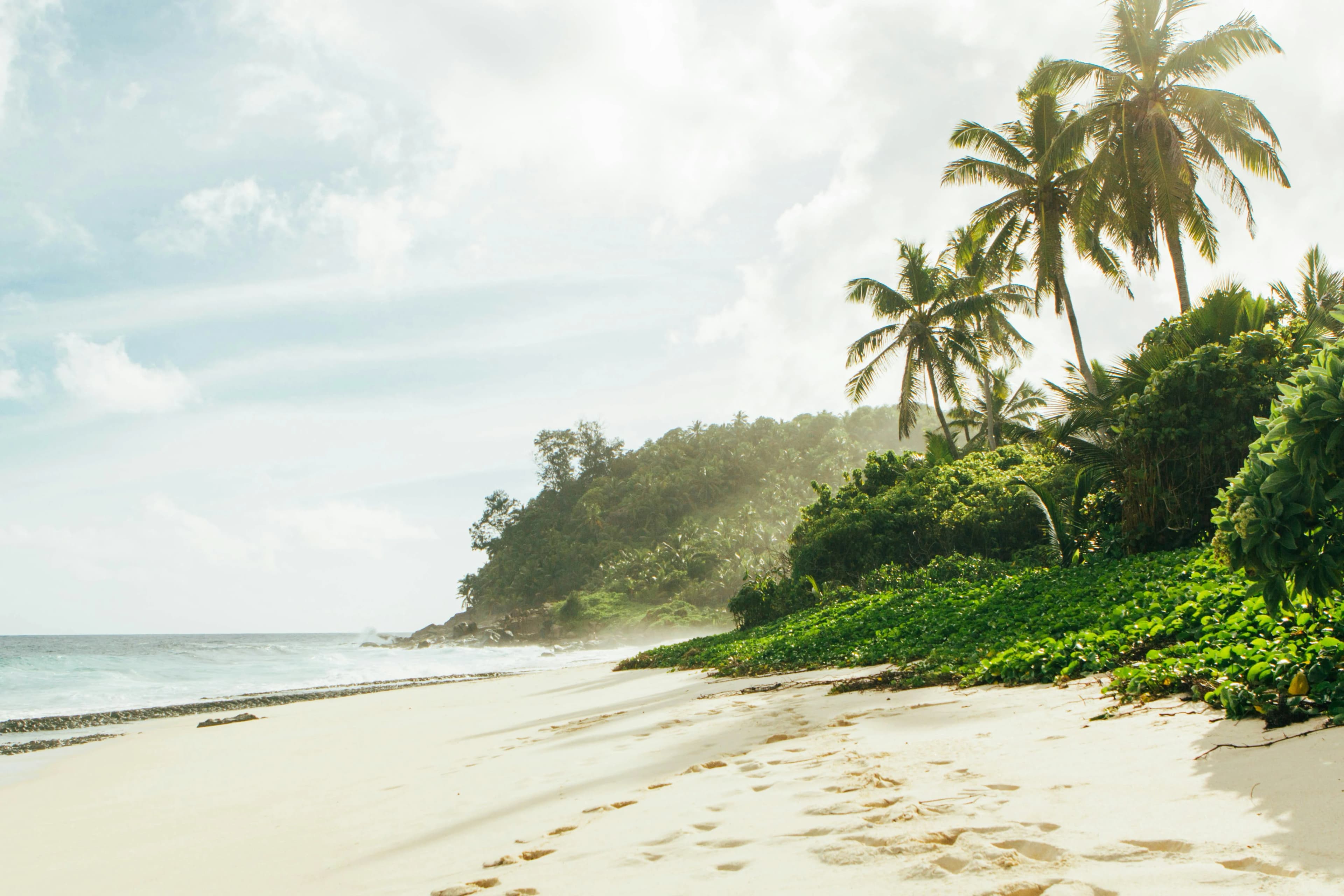
A sweeping five-kilometer crescent of white sand famous globally for its legendary beach clubs (like Club 55). The luxury accommodations situated directly behind the dunes of Pampelonne offer a completely different architectural experience, focusing on low-impact, eco-chic pavilions integrated into the scrubland (garrigue).
Properties like Épi 1959 capture this barefoot, mid-century Riviera lifestyle perfectly. The suites emphasize horizontal beachfront living, featuring private sand paths, outdoor rain showers, and retro-minimalist aesthetics. The atmosphere is relaxed, hedonistic, and intensely focused on daytime beach socialization, drawing yacht owners and a youthful, affluent international crowd.
The Ramatuelle Hills: Sovereign Estates & Panoramic Seclusion
Rising sharply behind the beaches, the pine-forested hills of Ramatuelle offer the ultimate sanctuary for those seeking absolute privacy and monumental scale. Characterized by steep winding roads and hidden mega-villas, this zone looks down over the Mediterranean horizon.
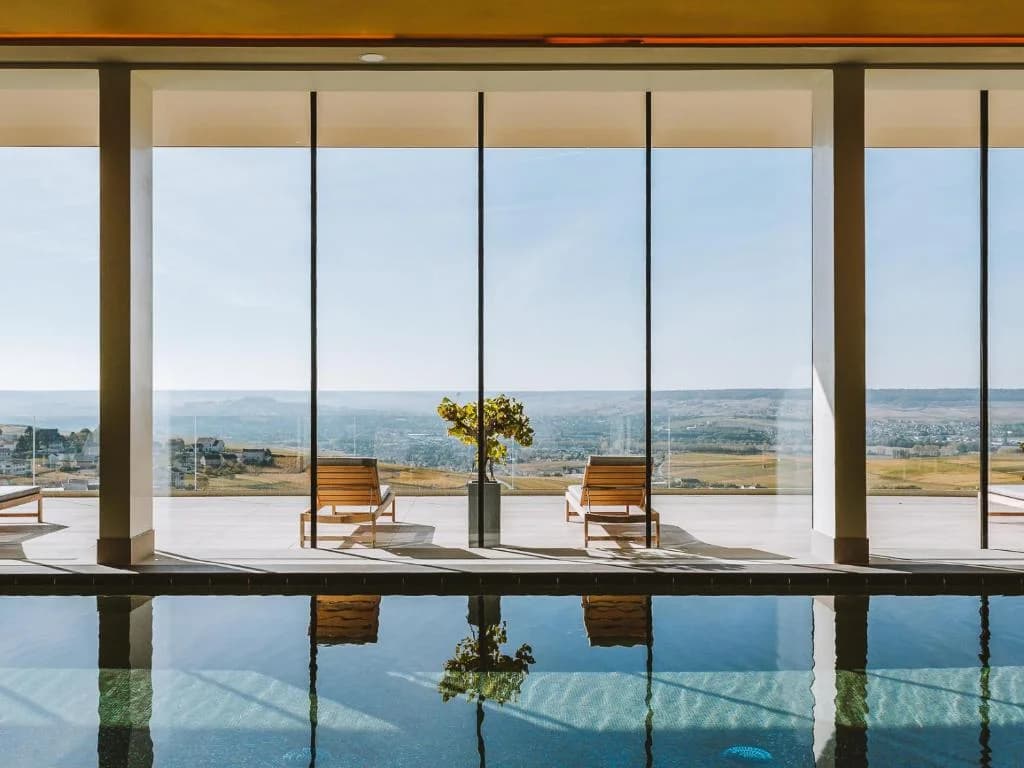
The absolute crown jewel here is La Réserve Ramatuelle, designed by Jean-Michel Wilmotte. The signature suites and private villas boast incredible physical scale, featuring sharp, contemporary linear layouts, massive private infinity pools, and expansive stone decks suspended over the sea. The energy is quiet, meditative, and highly secure, appealing to tech billionaires, A-list actors, and traditional purists who demand total isolation.
La Croix-Valmer & Cap Lardier: Wild Nature & Wellness Sanctuaries
Located slightly further south along the peninsula, this area is defined by its protected national parks, dramatic cliffs, and sweeping views of the Îles d'Hyères. It represents the wellness-focused, architectural frontier of the region.
Properties like Lily of the Valley—designed entirely by Philippe Starck—anchor this zone. The suites feature organic, curved architecture meant to mimic the rolling hills, utilizing raw concrete, polished wood, and massive panoramic terraces. The vibe is athletic, restorative, and forward-looking, attracting global travelers focused on elite spa retreats, weight-loss programs, and untamed nature.
Gassin & The Vineyards: Pastoral Peace & Equestrian Elegance
The rolling interior of the peninsula, characterized by centuries-old vineyards, prestigious polo clubs, and the hilltop medieval village of Gassin. For travelers who reject the high-visibility coastal strip, this zone offers a quiet, aristocratic alternative.
Sanctuaries like Althoff Villa Belrose or elite private agrotourism estates capture this pastoral elegance. The suites feature classic Provencal decor, sweeping views over the Gulf of Saint-Tropez from a distance, and massive private gardens. The atmosphere is family-oriented, aristocratic, and equestrian, providing a quiet retreat for collectors and multi-generational families.
3. Residential Layouts & Volumes
The definitive boundary between a standard premium hotel key and an elite suite in Saint-Tropez is the masterfully engineered integration of indoor and outdoor space. On this sun-kissed peninsula, a room that forces you to sit indoors during the summer is an architectural failure. Renting a signature suite is a strategic acquisition of volume, specifically designed to function as an independent private villa supported by the flawless, white-glove services of a world-class Palace.
The pinnacle of this layout philosophy is the Provencal Pavilion Suite. Located within lush, multi-acre hotel estates, these standalone structures completely reject the concept of shared hotel corridors. Guests enter through a private wrought-iron gate into a walled, fragrant Mediterranean garden.
The interior layout relies on a clear segregation of public and private volumes: the grand salon features high ceilings with exposed limed-oak beams, custom linen seating, and floor-to-ceiling glass doors that slide completely into the masonry walls.
This public domain transitions seamlessly out onto a massive stone deck equipped with a private heated plunge pool and a shaded summer kitchen area. Completely separated from this entertainment zone are the master bedroom quarters and multi-room bathrooms featuring outdoor rain showers hidden behind jasmine-covered privacy walls. This specific layout allows an international executive or high-profile family to lounge outdoors, host private dinners, or receive massage therapists in total isolation from the main resort.
4. The Lifestyle Ecosystem: Dining & Haute Retail
An elite Tropezian suite functions as the operational command center of an incredibly sophisticated luxury lifestyle ecosystem, effortlessly bridging multi-starred Mediterranean gastronomy with the hyper-private, closed-door worlds of high-summer fashion curation.
The culinary integration within Saint-Tropez's top-tier suites entirely redefines the concept of private dining. Instead of standard room service menus, the kitchens of the peninsula’s premier properties treat the private dining pergolas of their signature suites as direct extensions of their main restaurants. Guests can host private dinner parties orchestrated in-suite by celebrated culinary masters—such as the three-starred excellence of Chef Arnaud Donckele (Cheval Blanc) or Alain Ducasse-trained chefs.
The entire experience is a performative art: private seafood barbecues are fired up on your terrace, and head sommeliers travel directly to your salon to pair rare Provence rosés (like exclusive vintages from Château d'Esclans or Domaine Ott) and aged Bordeaux from the hotel's cellars.
Simultaneously, the tight relationship between these premier suites and the legendary fashion houses of the village unlocks retail experiences that are entirely off-market. For occupants of Saint-Tropez's ultimate suites, high-end shopping bypasses the crowded public boutiques.
Through elite lifestyle hosts, the world’s most powerful luxury brands—headlined by the stunning summer salons of Dior, Chanel, and Loro Piana—will arrange for private, in-room styling consultations. Entire seasonal resort collections and high-end leather goods are securely transported directly into your suite's walk-in wardrobe before your arrival, allowing for a completely relaxed, highly confidential acquisition experience away from the intense August crowds.
5. The Cultural Canvas & Historic Anchors
The finest hotel suites in Saint-Tropez operate as living cultural vaults, meticulously curated to connect the modern traveler directly to the rich artistic soul and cinematic legacy of the French Riviera. The interiors of these spaces are designed with curatorial precision, treating local heritage not as static decoration, but as a vital design element that lives alongside contemporary architectural forms.
Inside these premium sanctuaries, original art is treated as a foundational layer of the environment. It is common to discover suites where original mid-century Riviera ceramics from Vallauris, classic black-and-white photography of the 1960s Brigitte Bardot era, and bright, neo-impressionist canvases inspired by Paul Signac sit side-by-side with sleek contemporary furniture. Hotels routinely partner with prominent local galleries to rotate curated art collections within their top signature suites, transforming the living volume into an exclusive private viewing gallery for international collectors.
Beyond the physical artwork displayed within the rooms, staying in a premier Tropezian suite grants completely unprecedented, off-market access to the peninsula’s most guarded cultural institutions and private estates:
Sovereign Vineyard Access: Private helicopter transfers or chauffeured vintage cars to elite, family-owned vineyards (such as Château Minuty or Domaine de la Cruz), unlocking private tastings and vineyard tours directly with the estate owners, closed to standard tourism.
Annociade Museum After-Hours: Exclusive, crowd-free nighttime tours of the Musée de l'Annonciade, a former 16th-century chapel housing one of France's premier collections of pointillist and Fauvist art, guided by a senior curator.
Polo Club Saint-Tropez VIP Access: Immediate VIP access, private box reservations, and behind-the-scenes stable tours at the elite Haras de Gassin polo facility.
6. The Aesthete's Insight
A rigorous, completely objective architectural critique of Saint-Tropez’s ultra-luxury suite landscape reveals that behind the flawless, sun-drenched aesthetic lies a challenging environment where massive summer influxes and strict preservation laws create significant operational friction.
The primary and most pervasive challenge on the peninsula is The Route des Plages Bottleneck. Saint-Tropez suffers from a legendary infrastructure flaw: there is essentially only one major road connecting the village to Pampelonne Beach and the outside world. During the peak weeks of July and August, this narrow artery becomes completely paralyzed by a relentless gridlock of luxury SUVs and supercars. This regional gridlock directly impacts the in-suite luxury experience for properties located in the hills. High-end private catering teams, off-market fashion deliveries from the village, and even basic concierge transport requests can face frustrating, hours-long delays. A guest paying top palatial rates must accept that overland speed is impossible during high season.
Secondly, the geographical proximity of the Ramatuelle hills to Pampelonne Beach introduces The Acoustic Bleed Hazard. The world-famous beach clubs along the sand operate massive, open-air sound systems from mid-afternoon until sunset. Because the hills of Ramatuelle form a natural amphitheater, the low-frequency bass notes generated by these daytime parties travel incredibly well upward across the vineyards. Guests occupying the massive, cantilevered terraces of ultra-luxury suites in the hills can frequently hear the distinct, rhythmic thumping of distant DJ sets vibrating through the air, compromising the absolute silence and meditative peace promised by these remote, multi-million-dollar sanctuaries.
Finally, properties located directly within the historic core of the village face strict Heritage Footprint Constraints. Because the pastel-colored buildings surrounding the port and the Citadel are fiercely protected by municipal heritage laws, exterior structures cannot be altered. Consequently, even inside multi-thousand-dollar signature suites in the village center, guests frequently encounter highly fragmented layouts, narrow internal staircases, and remarkably tiny, retrofitted passenger elevators. True expansive horizontality—the kind found effortlessly in the Ramatuelle hills—is virtually impossible to achieve in the village, forcing guests to trade spatial volume for immediate urban convenience.
Conclusion
In the final analysis, booking an elite hotel suite in Saint-Tropez is far more than a simple transaction; it is an intentional choice to align yourself with the unique design history, layout geometry, and legendary light of the French Riviera. The peninsula’s finest accommodations successfully dissolve the boundary between rustic Provencal gravity and modern barefoot luxury, allowing you to live intimately alongside cultures of French craftsmanship, culinary mastery, and sweeping Mediterranean views. Whether your design preference inclines toward the clean, white-and-blue nautical minimalism of a waterfront suite at Cheval Blanc or the grand, antique-filled vertical salons of a historic Byblos suite, the right space must successfully master the challenges of its natural and structural framework. By prioritizing strategic locations to avoid traffic gridlock, verifying acoustic shielding against beach club noise, and choosing authentic material depth, the discerning traveler can look past the veneer of superficial luxury to secure a private Tropezian sanctuary that delivers an unforgettable aesthetic milestone.
Architectural & Insider FAQ
How do luxury suites manage the intense traffic gridlock of the Saint-Tropez peninsula during high season?
To bypass the paralyzing summer traffic along the Route des Plages, elite Tropezian properties completely subvert standard terrestrial logistics. If you book a premier signature suite at a waterfront property (like Cheval Blanc or certain private villas), your dedicated concierge will utilize the hotel's private luxury tender fleet (often custom Wajer or Riva yachts). This allows you to travel from the village to the beach clubs of Pampelonne entirely by sea in minutes. For properties located in the Ramatuelle hills, logistics are managed via private helicopter charters, with dedicated landing pads located just minutes from the resort, ensuring rapid, traffic-free transfers directly from Nice or Cannes airports.
What is the practical layout difference and spatial feel between a Village Suite and a Ramatuelle Hillside Suite?
The core difference centers on architectural volume versus social convenience. A Village Suite offers an intense, atmospheric connection to the historic cobblestone alleys; it provides multi-level, vertical layouts with deep-set windows designed to stay cool, but it inherently lacks massive private outdoor acreage or sweeping sea views due to dense neighboring roofs. Conversely, a Ramatuelle Hillside Suite is built horizontally on sprawling, multi-acre estates; it offers completely uncompromised privacy, massive infinity pools, and expansive, cantilevered stone decks framing panoramic horizons, but requires dedicated transportation to access the boutiques and nightlife of the port.
How do elite properties in Saint-Tropez ensure absolute privacy for high-profile guests facing the public beaches?
The maritime laws of France dictate that the immediate shoreline is public property, creating a security and privacy challenge for waterfront luxury hotels. Premier properties solve this layout issue through advanced landscape architecture. Rather than building suites directly on the sand level, beachfront signature pavilions are slightly elevated on structural plinths and shielded by dense, manicured walls of native oleander, bamboo, and pine trees. This ensures that while you have immediate private gate access down to the sand, your ground-floor sunbathing deck and interior living volumes remain entirely invisible to the public walking along the beach below.