
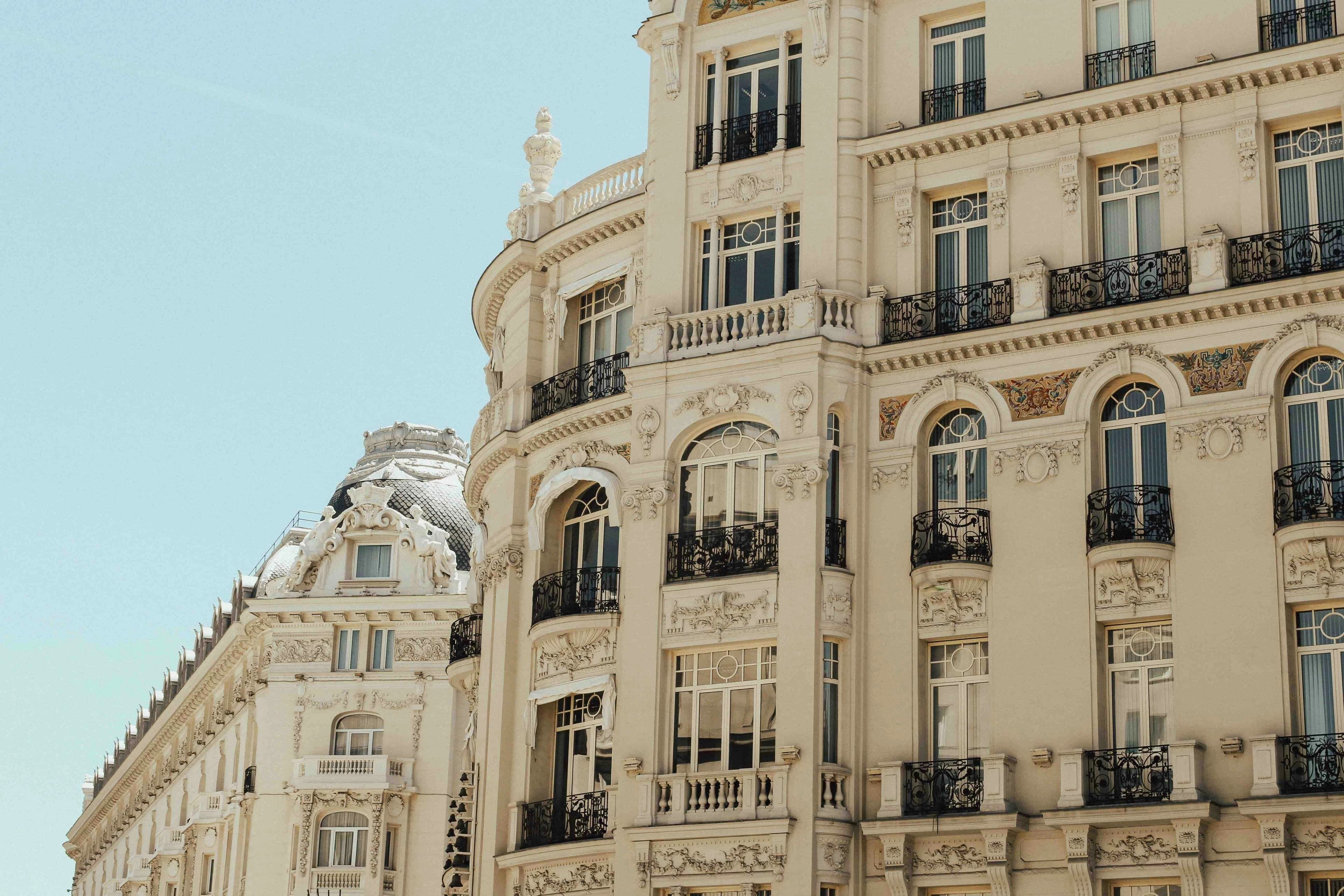
The Definitive Guide to Madrid's Best Luxury Hotel Suites
BY Jules PEULET
An elite curation of Madrid's most architecturally significant luxury suites, blending Bourbon-era palatial volumes with sun-drenched terraces and cutting-edge contemporary Spanish design.
Madrid has undergone a spectacular hospitality revolution, firmly establishing itself as the premier capital of ultra-luxury real estate and high-end travel in Southern Europe. Driven by an unprecedented wave of international investment, the Spanish capital has transformed its historic skyline into a competitive landscape of world-class Palaces. Yet, for the design-conscious traveler, navigating this booming market requires an uncompromising eye. A standard premium room in Madrid often struggles against the rigid layouts of historic urban blocks; to truly unlock the city’s spatial rewards, one must look above the standard inventory and demand the expansive, sun-flooded volumes of its finest signature suites.
At La Suite, we operate with a strict editorial filter that prioritizes structural authenticity, volumetric grandeur, and seamless indoor-outdoor flow. In a city celebrated for its fierce Castilian sky and vibrant social energy, a world-class suite must function as an elite private sanctuary—a space where monumental historic heritage seamlessly integrates with the clean lines of contemporary Spanish design. This guide serves as your definitive architectural compass to Madrid's ultimate hospitality assets, mapping the grandest palatial salons, the most exclusive shopping partnerships, and the private penthouse terraces suspended high above the city's terracotta roofs.
1. Architectural DNA & Spatial Philosophy
The architectural framework of Madrid’s ultra-luxury hotel suites is defined by a captivating dialogue: the grand, symmetrical monumentality of the eighteenth-century Bourbon dynasty operating alongside the bold, expressive eclecticism of the early twentieth century and the warm textures of contemporary Spanish minimalism. Inside the city’s elite hospitality sanctuaries, this historical framework is anchored by the use of noble local materials. Spaces are defined by pristine white Macael marble, deep-toned Spanish walnut cabinetry, hand-applied structural stuccos, and brushed brass architectural accents that capture the intense, golden Madrid sunlight.
In grand heritage properties, these material selections support soaring, five-meter-high ceilings adorned with original plaster moldings, regal enfilades of public salons, and stately open fireplaces. The contemporary counterweight to this historic gravitas relies on clean lines and rich textures, ensuring that luxury is felt through spatial flow and raw material quality rather than superficial gold leafing.
This structural evolution has been driven by a select group of visionary interior architects. Lorenzo Castillo, the undisputed king of contemporary Madrid chic, treats the luxury suite as a dramatic, high-fashion stage. Castillo masterfully layers heavy velvets, custom-woven textiles, and museum-grade Spanish antiques directly against classical architecture, ensuring the historical spaces feel intensely alive, masculine, and deeply rooted in Madrid's aristocratic identity.
In sharp contrast, master designer Diego Gronda of Studio Gronda brings a sense of warm, sensory minimalism to properties like the JW Marriott Madrid. Gronda strips away historic heavy-handedness, focusing instead on organic curves, custom lighting installations that mimic the casting of daylight, and fluid layouts that emphasize absolute residential comfort.
Meanwhile, the collaborative genius of legendary hotelier Ian Schrager and local architectural firms at The Madrid Edition introduces a radical, minimalist aesthetic. Schrager utilizes sweeping, sculptural white staircases, monolithic dark stone elements, and completely unadorned surfaces, proving that a modern Madrid suite can achieve absolute luxury through pure geometric form and dramatic spatial volumes.
2. Neighborhoods & Vibe Mapping
Madrid is an urban landscape composed of distinct cultural districts (barrios), each possessing its own architectural rhythm, social energy, and spatial volume. Selecting a suite is an intentional alignment with one of these unique geographical identities.
Barrio de Salamanca: Old Money Sovereignty & The Golden Mile
The undisputed capital of absolute discretion, private wealth, and aristocratic prestige. Developed in the late nineteenth century under the direction of the Marquis of Salamanca, this exclusive enclave is characterized by a strict grid layout, elegant wide avenues, and immaculate Belle Époque facades. Staying in a signature suite here—headlined by the iconic Rosewood Villa Magna or the stylish Bless Hotel Madrid—means immersing yourself in an atmosphere of quiet, upscale luxury.
The tree-lined streets are populated by high-end private residential estates, discreet family offices, and elite dining institutions. The vibe is slow, polished, and intensely private, serving as the premier choice for international corporate leaders, multi-generational families, and travelers who demand total anonymity and flawless, understated service.
Los Jerónimos & El Retiro: Stately Majesty & Royal Greenery
The majestic, solomonic heart of cultural Madrid. Nestled between the world-renowned Paseo del Prado and the vast, verdant boundaries of El Retiro Park, Los Jerónimos is defined by its monumental stone facades, royal monuments, and wide, sweeping boulevards. The absolute crown jewel of this neighborhood is the historic Mandarin Oriental Ritz, Madrid, a Belle Époque palace originally commissioned by King Alfonso XIII.
Suites in this tier offer unparalleled physical scale, towering ceilings, and formal reception salons that look out onto the manicured gardens of the Prado Museum. The atmosphere is grand, timeless, and deeply formal, drawing traditional purists, diplomats, and international cultural connoisseurs who wish to live inside the artistic legacy of the Spanish Empire.
Centro, Canalejas & Sol: The High-Octane Luxury Epicenter
The fast-paced, hyper-exclusive core of Madrid's modern hospitality renaissance. Centered around the spectacular Galería Canalejas development, this historic neighborhood has seen a cluster of massive, late nineteenth-century banking institutions masterfully converted into modern ultra-luxury palaces. Properties like the landmark Four Seasons Hotel Madrid and the contemporary JW Marriott define this zone.
The suites here boast incredible structural variety, featuring curved corner balconies, expansive living areas, and panoramic views over the bustling streets below. The energy is vibrant, cosmopolitan, and highly visual, making it the perfect base for high-profile international travelers who want to be positioned at the absolute center of Madrid's culinary, retail, and social revolutions.
Chueca & Salesas: Creative Curation & Bourgeois-Bohemian Chic
For travelers who reject traditional palatial formality, Chueca and Salesas offer a vibrant, design-centric alternative. This neighborhood is a captivating maze of historic iron balconies, independent art galleries, and avant-garde fashion concept stores.
Accommodations like the beautifully restored Urso Hotel & Spa or the soaring penthouses of The Principal Madrid capture this unique, effortless elegance. The interior aesthetics shift toward mid-century Italian furniture, bold contemporary artwork, and tactile natural linens. The vibe here is social, creative, and highly independent, attracting fashion directors, architects, and international tastemakers who prefer neighborhood-centric character over corporate luxury.
Barrio de las Letras: Literary Heritage & Hidden Palazzos
The historic Quarter of Letters, where the golden age of Spanish literature remains permanently written into the architecture. Once home to Cervantes and Lope de Vega, this romantic district is a network of quiet cobblestone alleys, historic plazas, and hidden nineteenth-century palaces built around secret interior courtyards.
Properties like the Gran Hotel Inglés or the majestic Palacio de los Duques Gran Meliá epitomize this zone. The suites here focus heavily on historical storytelling, featuring original frescoed ceilings, deep clawfoot bathtubs, and secluded terraces. The atmosphere is intellectual, romantic, and highly confidential, offering a quiet sanctuary right on the edge of the vibrant city center.
3. Residential Layouts & Volumes
The definitive boundary between a standard premium hotel room and an elite suite in Madrid is the masterfully engineered division of living volume. Renting a signature suite is a strategic acquisition of space, designed to emulate the flow and privacy of an authentic Spanish private estate.
A prime example of this layout philosophy is the Grand Palacio Suite. Located within the Piano Nobile of converted historic structures, these suites feature towering double doors that lead into expansive formal reception rooms. The layout relies on a clear segregation of public and private zones: the grand salon and its accompanying formal dining room are designed to handle large-scale entertaining, private business presentations, or catered dinners. Meanwhile, the master bedroom quarters and custom-built oak dressing dressing rooms are completely sealed off via hidden structural corridors, ensuring absolute privacy for the guest.
Furthermore, Madrid's architectural evolution has embraced the creation of contemporary rooftop penthouses with private heated infinity pools. Built behind the soaring historic sculptures and decorated cornices of the city center, these modern volumes utilize frameless, floor-to-ceiling glass sliding walls that completely dissolve the boundary between the interior living space and the open horizon.
The expansive stone terraces feature custom-integrated sunken lounges and private bars that look out across the vast terracotta rooflines of the city. For high-profile international delegations or traveling families requiring extended stays, these penthouses frequently feature interconnected private wings, allowing multiple independent suites to be completely isolated from the rest of the hotel via a secure, private elevator vestibule.
4. The Lifestyle Ecosystem: Dining & Haute Retail
An elite Madrid suite serves as the operational nucleus of an incredibly sophisticated luxury lifestyle ecosystem, seamlessly bridging world-class, avant-garde gastronomy with the ultra-private worlds of historic fashion design.
The culinary integration within Madrid's top-tier suites completely redefines the concept of private dining. Instead of standard room service menus, the kitchens of the city’s multi-Michelin-starred properties treat the private dining salons of their signature suites as direct extensions of their main dining rooms. Guests can host private dinner parties orchestrated in-suite by celebrated culinary masters—such as Chef Dani García at the Four Seasons or Chef Quique Dacosta at the Mandarin Oriental Ritz.
The entire experience is elevated to a performative art: live open-air kitchens are assembled on your private terrace, and head sommeliers wheel custom tasting carts directly into your salon to pair rare Spanish vintages from the hotel's deep underground vaults. Even the classic Spanish custom of La Hora del Vermut (the vermouth hour) is entirely reimagined, served by a private white-glove butler alongside custom tapas on your private rooftop deck at sunset.
Simultaneously, the geographical proximity of these suites to Salamanca's exclusive shopping streets—Calle de Serrano and Calle de Ortega y Gasset—unlocks retail experiences that are entirely off-market. For occupants of Madrid's premier suites, shopping is an entirely personalized, in-room affair.
Through elite lifestyle hosts, the world’s most iconic Spanish fashion houses—headlined by the legendary craftsmanship of Loewe—will bypass their public showrooms. Senior style directors transport entire seasonal collections directly to your suite's walk-in wardrobe, accompanied by private tailors for custom fitting sessions. For high-jewelry acquisitions, master jewelers from houses like Rabat bring rare timepieces and high-value diamonds directly to your secure private salon, allowing for a relaxed, completely confidential acquisition experience away from the public eye.
5. The Cultural Canvas & Historic Anchors
The finest hotel suites in Madrid function as living cultural vaults, meticulously curated to connect the modern traveler directly to the rich artistic soul of Spain. The interiors of these spaces are designed with museum-grade precision, treating historical heritage not as static decoration, but as a vital design element that lives alongside avant-garde contemporary art.
Inside these premium sanctuaries, original art is woven into the very fabric of the architecture. It is common to discover suites where original nineteenth-century oil paintings and historic tapestries from the Real Fábrica de Tapices form the backdrop for bold, abstract sculptures inspired by Eduardo Chillida, or texture-heavy paintings by the masters of the Spanish avant-garde like Antoni Tàpies. Hotels routinely partner with the city’s prominent contemporary art galleries to rotate curated art collections within their signature suites, transforming the living volume into an exclusive private viewing gallery for international collectors.
Beyond the physical artwork displayed within the rooms, staying in a premier Madrid suite grants completely unprecedented, off-market access to the city’s most guarded cultural institutions through elite hotel partnerships:
After-Hours Museum Access: Private, crowd-free midnight tours of the Prado Museum, the Reina Sofía, or the Thyssen-Bornemisza National Museum, guided by senior art historians after public closing hours.
Royal Palatial Viewings: Exclusive, closed-door access to the restricted private chambers and historical preservation restoration labs of the Royal Palace of Madrid, entirely devoid of public crowds.
Opera Box Privileges: Immediate access to completely sold-out operatic performances via permanent, hotel-owned private boxes at the prestigious Teatro Real.
6. The Aesthete's Insight (Our Signature Critique)
A rigorous, completely objective architectural critique of Madrid’s ultra-luxury suite landscape reveals that behind the flawless palatial aesthetic lies a challenging environment where rapid development and extreme natural elements create significant operational friction.
The primary and most pervasive challenge in the city center is El Ruido (The Noise) generated by Madrid's legendary night culture. Madrid is a city that famously never sleeps, and its grandest hotels sit directly on the edge of major thoroughfares like the Gran Vía or Alcalá. Because many historic hotel facades are strictly protected by heritage classification laws, properties are legally prohibited from altering original window casements. Despite advanced interior secondary glazing, low-frequency sound transmission from late-night traffic, emergency sirens, and crowds can still easily penetrate the heavy silk drapery of lower-floor suites, disrupting sleep patterns starting at midnight.
Secondly, the architectural trend of building expansive penthouse terraces introduces the Unshaded Terrace Trap during the brutal Castilian summer (El Verano). Madrid experiences extreme continental heat during July and August, with temperatures frequently passing 40 degrees Celsius. Many spectacularly designed modern penthouse suites feature massive stone decks completely devoid of permanent structural shade, pergolas, or motorized fabric sails. Without proper architectural protection, these expensive private terraces absorb heat like an oven, rendering the massive outdoor living volume and the private infinity pool entirely unusable from 11:00 AM to 6:00 PM.
Finally, the architectural layout of the classic Spanish palacio creates a severe deficit of natural light within specific interior suite configurations. Palacios were historically constructed around deep, narrow central inner courtyards (patios) designed to provide ventilation rather than daylight. To maximize room counts, many grand hotels label these interior-facing spaces as luxury suites. While street-facing grand salons enjoy brilliant sunlight, the master bathrooms and secondary bedrooms facing these internal patios can feel exceptionally somber and cave-like, requiring artificial illumination even at noon on a cloudless summer day, making a meticulous verification of a suite's layout orientation absolutely essential before booking.
In the final analysis, booking an elite hotel suite in Madrid is far more than a simple transaction; it is an intentional choice to align yourself with the unique architecture and intense light of the Spanish capital. The city’s finest accommodations successfully dissolve the boundary between historic palatial gravity and modern luxury, allowing you to live intimately alongside centuries of Spanish craftsmanship, culinary mastery, and sweeping urban views. Whether your design preference inclines toward the clean, limestone minimalism of a contemporary penthouse or the grand, antique-filled salons of a Bourbon palace in Los Jerónimos, the right space must successfully master the challenges of its historic framework. By prioritizing wind and shade protection on the rooftops, verifying window acoustic ratings, and choosing authentic material craftsmanship, the discerning traveler can look past the veneer of superficial luxury to secure a private Madrid sanctuary that delivers an unforgettable aesthetic milestone.
Architectural & Traveler FAQ
What exactly differentiates a Madrid "Palacio Suite" from a standard modern penthouse suite?
The core difference lies in the historical layout and ceiling volumes. A standard modern penthouse suite is built within a contemporary concrete framework, offering uniform ceiling heights (typically around 2.8 meters) and large linear glass walls that face outward toward the skyline. A Palacio Suite, conversely, occupies the original Piano Nobile (noble floor) of a rehabilitated nineteenth-century aristocratic palace. This guarantees extraordinary historical proportions, including five-meter-high ceilings, hand-restored plaster moldings, original marble fireplaces, and grand enfilades of reception rooms that allow you to live inside authentic Spanish history.
How can I ensure my Madrid suite is completely quiet despite the city's loud late-night culture?
To guarantee absolute acoustic silence, you must avoid lower-floor suites (ground, first, and second floors) that face directly onto major thoroughfares or busy nightlife hubs like the Gran Vía or the Plaza de Canalejas. When booking, explicitly request suites that are oriented toward the hotel’s quiet inner courtyard (patio interior), or choose top-floor penthouses that sit high above the street canyon. The higher altitude allows ambient city noise to filter out before reaching your windows.
When is the absolute optimal booking window for Madrid's top-tier signature hotel suites?
Because the inventory of true multi-room suites and historic Piano Nobile palazzos is remarkably small (often fewer than 3 to 5 units per property) and demand from international business delegations, Latin American high-net-worth families, and luxury fashion brands is relentless, the optimal booking window is 4 to 6 months in advance. This window shrinks drastically during the peak spring and autumn seasons (April to June and September to October), where booking up to 8 months ahead is essential to secure the most coveted terrace-equipped configurations.