
The Definitive Guide to Amsterdam's Best Luxury Hotel Suites
BY Jules PEULET
An elite curation of Amsterdam’s most architecturally significant luxury suites, exploring historic canal-house volumes, Dutch avant-garde design, and private waterfront living.
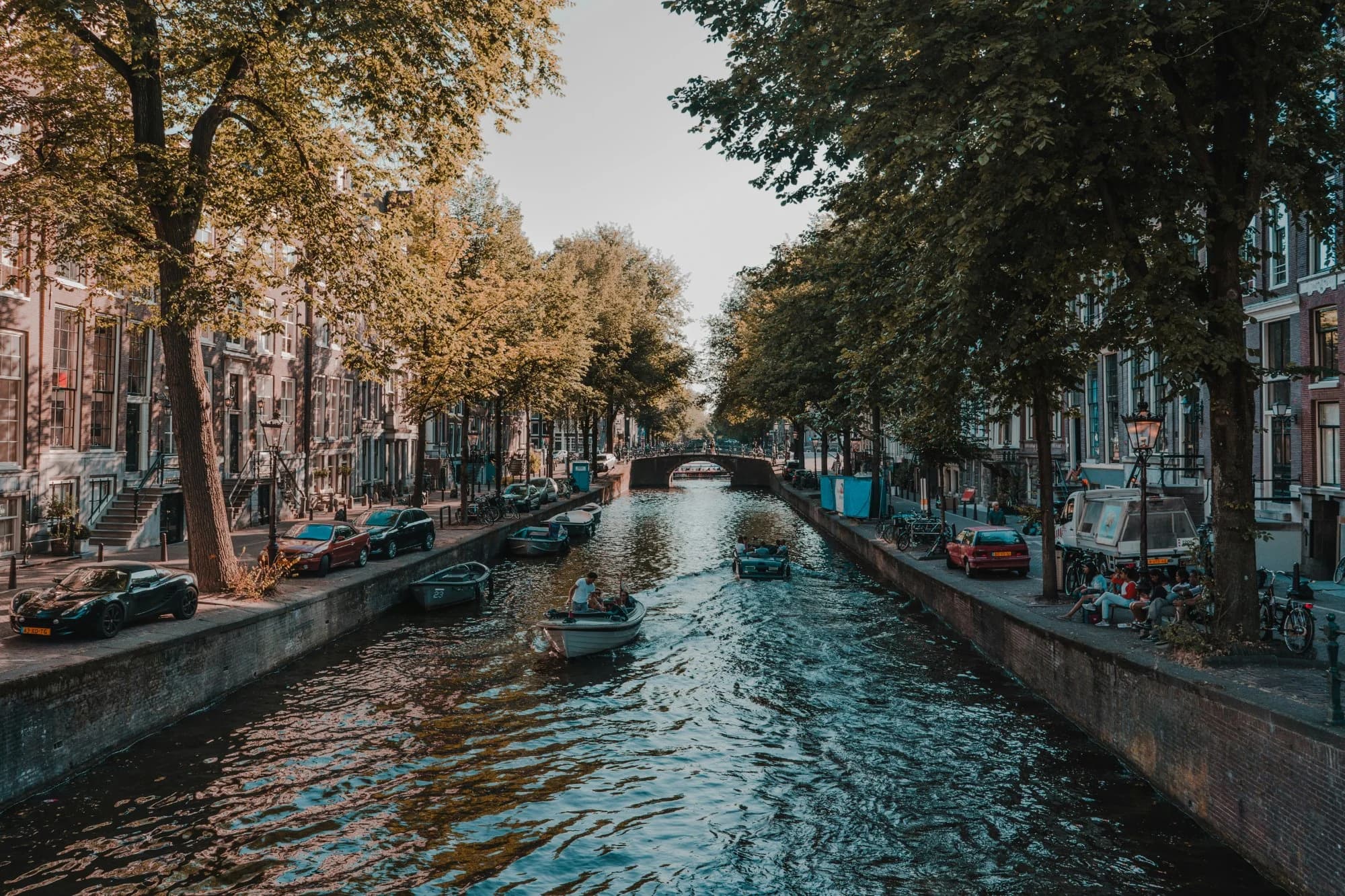
Amsterdam has quietly staged a magnificent coup in the European luxury landscape. Long celebrated for its bohemian charm and picturesque waterways, the Dutch capital has transitioned into a premier destination for ultra-high-net-worth travelers who demand architectural substance over generic luxury. Driven by masterfully executed historic rehabilitations, the city now boasts some of the most complex and rewarding hospitality real estate in the world. However, navigating this specific market requires a sharp eye. Because Amsterdam's iconic canal ring is protected by strict heritage laws, standard premium rooms are frequently restricted by tight, narrow footprints inherited from the seventeenth century. To truly unlock the city's spatial rewards, one must bypass the standard inventory and secure the grand, horizontally expanded volumes of its finest signature suites.
At La Suite, our editorial filter is strictly focused on structural wow-factor, design authenticity, and spatial flow. In a city where space is the ultimate luxury and northern light is treated as an art form, a world-class suite must operate as an elite private sanctuary—a space where Golden Age structural gravity perfectly coexists with the bold, irreverent edge of contemporary Dutch design. This guide serves as your definitive architectural compass to Amsterdam’s ultimate hospitality assets, mapping out the multi-canal house penthouses, the museum-grade residential salons, and the private dock suites where the water of the canals serves as your personal foyer.
1. Architectural DNA & Spatial Philosophy
The architectural framework of Amsterdam’s ultra-luxury hotel suites is defined by a brilliant engineering feat: the transformation of deep, narrow seventeenth-century merchants' houses into vast, fluid residential layouts. Inside these elite sanctuaries, the spatial philosophy honors the historic Grachtenpand (canal house) structure. Because buildings were historically taxed on the width of their facades, they developed as narrow, deep, and incredibly vertical volumes. Inside a masterfully executed suite, this structural reality is addressed by merging multiple adjacent historic buildings horizontally, creating an unexpected enfilade of grand rooms that flow seamlessly across what used to be three or four separate houses.
The material palette of the ultimate Amsterdam suite celebrates organic weight and historic texture. The structural shell is defined by massive, exposed centuries-old oak ceiling beams, historic brick masonry, and towering, multi-paned windows that maximize the soft, silver northern light reflecting off the water. These historic elements are juxtaposed against modern Dutch design components: custom-molded corian bathrooms, seamless poured resin floors, matte blackened steel structural frames, and rich architectural textiles like brushed mohair and unpolished linen.
This aesthetic balance is driven by an elite group of contemporary Dutch designers and global architects. Legendary designer Marcel Wanders revolutionized the city’s boutique landscape at the Andaz Amsterdam Prinsengracht. Wanders utilizes a surrealist, avant-garde design language, layering bold graphic wallpapers, custom-sculpted furnishings, and modern reinterpretations of Delft blue ceramics directly against the historic canal house bones.
In sharp contrast, the internationally acclaimed architecture firm Concrete brings a sleek, high-tech European modernism to properties like the W Amsterdam. Concrete utilizes raw exposed concrete, brass pipe structural grids, and open-plan glass layouts to challenge traditional palatial expectations.
Meanwhile, master interior designer Olga Polizzi has preserved the stately, intellectual elegance of the city’s heritage at the Waldorf Astoria Amsterdam. Polizzi masterfully bridges six linked seventeenth-century palaces, combining original stucco work and majestic double-turn staircases with a soft, sophisticated color palette of sage, cream, and rich walnut woods, proving that absolute luxury lies in historical reverence and quiet spatial harmony.
2. Neighborhoods & Vibe Mapping
Amsterdam is a highly structured urban landscape defined by concentric canal rings and historic pockets. Each district possesses its own strict architectural rules, social velocity, and environmental energy.
The Grand Canal Ring (Herengracht, Keizersgracht, Prinsengracht)
The undisputed capital of sovereign heritage, institutional power, and aristocratic prestige. Developed during the Dutch Golden Age, this UNESCO World Heritage loop is lined with the city's grandest monument-slated palaces. Staying in a signature suite here—headlined by the magnificent Waldorf Astoria Amsterdam or the deeply authentic Hotel Pulitzer—means immersing yourself in an atmosphere of quiet, upscale discretion.
The wide, tree-lined canals are populated by private family offices, elite foundations, and historic house Museums. The vibe is slow, highly structured, and intensely private, serving as the premier choice for international corporate leaders, collectors, and travelers who demand absolute historical gravity and flawless, old-world service.
Museum Quarter & Amsterdam Oud-Zuid
The elegant, stately hub of high art, affluent residential living, and luxury retail. Developed in the late nineteenth century, Oud-Zuid is characterized by its wide, Parisian-style avenues, grand imperial brick architecture, and immediate proximity to Vondelpark. The absolute crown jewel of this neighborhood is the Conservatorium Hotel, a masterfully converted century-old music academy.
Suites in this tier offer incredible vertical scale, featuring towering cathedral windows, multi-level duplex configurations, and sleek contemporary Italian furnishings by Piero Lissoni. The atmosphere is highly polished, intellectual, and fashion-centric, drawing cultural connoisseurs and global travelers who want immediate access to the Rijksmuseum and the luxury boutiques of P.C. Hooftstraat.
The Jordaan & The Nine Streets (De Negen Straatjes)
For travelers who reject traditional palatial formality, the Jordaan and the adjacent Nine Streets offer a vibrant, design-centric alternative. Once a working-class enclave, this neighborhood has evolved into a captivating maze of independent fashion boutiques, specialized concept stores, and contemporary photography galleries.
Accommodations like the canal-facing salons of The Hoxton, Amsterdam capture this effortless, youthful elegance. The interior aesthetics shift toward mid-century modern furniture, exposed brickwork, and brass architectural accents. The energy here is social, creative, and deeply local, attracting creative directors, independent designers, and global tastemakers.
De Pijp & The Latin Quarter
The vibrant, eclectic epicenter of culinary innovation, multicultural design, and bohemian affluence. Centered around the famous Albert Cuyp Market, De Pijp features narrow nineteenth-century brick tenements and a high density of independent cafés, high-end cocktail bars, and avant-garde restaurants.
Boutique sanctuaries like Sir Albert Hotel capture this energetic, industrial-chic aesthetic perfectly. The suites feature dark wood tones, open-plan freestanding bathtubs, and Japanese-inspired design motifs. The atmosphere is dynamic and independent, making it the perfect base for younger entrepreneurs, tech founders, and travelers who prefer a culinary-driven urban lifestyle away from the historic tourist center.
Amsterdam-Noord & The Waterfront
Moving across the river IJ via the city's private ferries, Amsterdam-Noord represents the industrial, futuristic frontier of the capital. Characterized by vast, converted shipping shipyards, monumental crane structures, and bold modernist concrete architecture, this zone is home to tech incubators, digital art museums, and experimental design studios.
Suites here, ranging from the high-altitude industrial design of the Faralda Crane Hotel to the sleek waterfront penthouses near the Eye Filmmuseum, are chosen for their monumental scale and dramatic, unobstructed views over the shipping lanes. The vibe is raw, vertical, and intensely modern, appealing to avant-garde design enthusiasts and high-profile icons seeking complete isolation.
3. Residential Layouts & Volumes
The definitive boundary between a standard premium hotel room and an elite suite in Amsterdam is the masterfully engineered division of horizontal and vertical volume. Renting a signature suite is a strategic acquisition of space, specifically designed to emulate the flow and privacy of an authentic Dutch private estate.
A prime example of this layout philosophy is the Grand Canal Enfilade Suite. Located within the noble floors of linked seventeenth-century merchant houses, these spaces utilize a brilliant architectural concept where adjacent structural walls have been breached under strict heritage supervision. The result is a stunning, single-floor apartment layout where spaces flow in a clean, symmetrical sequence: an expansive central salon with original timber beams transitions into a private formal dining room, which then leads into the master bedroom quarters. The layout ensures a perfect segregation of public and private zones, allowing an international executive to host private dinners or confidential meetings without ever compromising the privacy of the sleeping quarters.
Furthermore, Amsterdam's unique historic rooflines have birthed the spectacular Canal Loft Duplex. Carved out of the upper levels and original grain storage attics of historic warehouses, these split-level suites are connected by custom-designed steel spiral staircases. The lower level features double-height ceilings and massive sash windows that cast dramatic light patterns across the living space, while the upper mezzanine level houses the master bedroom nestled directly beneath the original, exposed timber roof rafters.
For high-profile international travelers or families requiring extended stays, these historic layouts frequently feature integrated service pantries with independent service entries, allowing a private butler or personal chef to manage catering with total operational discretion.
4. The Lifestyle Ecosystem: Dining & Haute Retail
An elite Amsterdam suite serves as the operational hub of an incredibly sophisticated luxury lifestyle ecosystem, seamlessly bridging avant-garde Dutch gastronomy with hyper-private heritage retail.
The culinary integration within Amsterdam’s top-tier suites entirely redefines the concept of private dining. Instead of standard room service menus, the kitchens of the city’s multi-Michelin-starred properties treat the private dining salons of their signature suites as direct extensions of their main dining rooms. Guests can host private dinner parties orchestrated in-suite by celebrated culinary masters—such as the team behind the two-starred Spectrum at the Waldorf Astoria or the organic excellence of Bolenius.
The entire experience is elevated to a performative art: the head sommelier travels directly to your suite's salon with a custom tasting cart to pair rare vintages from the hotel’s deep historic cellars. Furthermore, the premier suites offer an extraordinary maritime luxury: a private, historic wooden salon boat can pull directly up to your hotel's private canal landing to whisk you away for a champagne-fueled private dinner cruise through the illuminated canals, entirely bypassing the urban streets.
Simultaneously, the strategic positioning of these suites unlocks retail experiences that are entirely off-market. For occupants of Amsterdam's premier suites, high-end shopping is an entirely personalized, in-room affair.
Through elite lifestyle hosts, the world’s most powerful fashion and jewelry houses located on the exclusive P.C. Hooftstraat—including Chanel, Hermès, and Van Cleef & Arpels—will bypass their public showrooms. Senior style directors transport entire seasonal collections and high-value timepieces directly to your suite's walk-in wardrobe, allowing for a completely relaxed, highly secure acquisition experience away from the public eye.
5. The Cultural Canvas & Historic Anchors
The finest hotel suites in Amsterdam operate as living cultural vaults, meticulously curated to connect the modern traveler directly to the rich artistic soul of the Netherlands. The interiors of these spaces are designed with museum-grade precision, treating historical heritage not as static decoration, but as a vital design element that lives alongside avant-garde contemporary art.
Inside these premium sanctuaries, original art is treated as a foundational design layer. It is common to discover suites where masterworks inspired by the Dutch Golden Age and curated collections of historic Delftware sit side-by-side with bold, contemporary installations by prominent local artists, or texture-heavy photography from the city’s world-class FOAM Museum archives. Hotels routinely partner with major local institutions to rotate curated art collections within their signature suites, transforming the living volume into an exclusive private viewing gallery for international collectors.
Beyond the physical artwork displayed within the rooms, staying in a premier Amsterdam suite grants completely unprecedented, off-market access to the city’s most guarded cultural institutions through elite hotel partnerships:
After-Hours Rijksmuseum Access: Private, crowd-free morning or nighttime tours of the Rijksmuseum's Honor Gallery, allowing guests to stand completely alone in front of Rembrandt’s The Night Watch, guided by a senior art curator.
Private Van Gogh Viewings: Exclusive, closed-door access to the restricted archives and restoration preservation labs of the Van Gogh Museum, entirely devoid of public crowds.
Contemporary Art Privileges: Immediate VIP access, private artist meet-and-greets, and behind-the-scenes gallery tours curated in partnership with the Stedelijk Museum or the cutting-edge Moco Museum.
6. The Aesthete's Insight (Our Signature Critique)
A rigorous, completely objective architectural critique of Amsterdam’s ultra-luxury suite landscape reveals that the romantic allure of staying inside a beautifully converted seventeenth-century canal house frequently introduces significant operational and structural friction.
The primary and most surprising challenge in historic canal suites is The Sloping Floor Phenomenon. Amsterdam was constructed entirely on millions of wooden foundation piles driven into soft, muddy soil. Over the centuries, groundwater fluctuations and pile degradation have caused many historic buildings to tilt and lean. When converting these structures into luxury suites, hotels attempt to level the floors, but structural weight limits often prevent perfect correction. As a result, guests paying premium rates can find themselves in a grand suite where the floors possess a distinct, noticeable slope. This structural tilt can cause minor vertigo or create a sensation that furniture is uneven, proving that the shifting physics of the delta cannot be entirely engineered away.
Secondly, the vertical nature of the classic Grachtenpand creates The Staircase Trap. Retrofitting modern passenger elevators into narrow, protected seventeenth-century architectural frameworks is an absolute nightmare for interior architects. To avoid destroying historic plasterwork, hotels are often forced to install incredibly tiny lifts tucked into secondary corridors. Guests booking top-floor duplex lofts may find that the elevator does not lead directly to their door, requiring them to navigate narrow, spiral staircases with steep steps (steile trappen) to access their room. This makes traveling with heavy wardrobe trunks or managing physical accessibility limitations an unexpected challenge.
Finally, the acoustic reality of historic timber frameworks creates significant Floorboard Bleed. Unlike modern concrete structures, old canal houses rely on interlocking wooden joists and sub-floors. Even when reinforced with advanced acoustic membranes and structural cork insulation, wood naturally flexes and transmits sound. Guests occupying lower-floor signature suites can frequently hear the distinct, low-frequency creak of footsteps or the muffled vibrations of automated drapery mechanisms filtering down from the suite above them, making a meticulous verification of a hotel's structural floor-plan absolutely essential before booking.
In the final analysis, booking an elite hotel suite in Amsterdam is far more than a simple transaction; it is an intentional choice to align yourself with the unique engineering and intense light of the Dutch capital. The city’s finest accommodations successfully dissolve the boundary between historic Golden Age gravity and modern luxury, allowing you to live intimately alongside centuries of Dutch craftsmanship, culinary mastery, and sweeping canal views. Whether your design preference inclines toward the clean, modern minimalism of a Piero Lissoni duplex or the grand, antique-filled salons of a restored palace on the Herengracht, the right space must successfully master the challenges of its soft foundation framework. By prioritizing courtyard-facing orientations for absolute silence, verifying elevator access parameters, and choosing authentic material craftsmanship, the discerning traveler can look past the veneer of superficial luxury to secure a private Amsterdam sanctuary that delivers an unforgettable aesthetic milestone.
Architectural & Traveler FAQ
What exactly differentiates an Amsterdam "Canal House Suite" from a standard modern resort suite?
The core difference lies in the historical layout and structural volume. A standard modern suite is built within a linear concrete framework, offering uniform ceiling heights and wide glass walls. A Canal House Suite, conversely, is carved out of the historic bones of linked seventeenth-century merchant palaces. This guarantees extraordinary architectural character, including original exposed timber ceiling beams, large multi-paned sash windows, historic brick masonry, and unique horizontal enfilades where rooms flow across multiple merged historic structures.
How can I ensure my Amsterdam suite is completely quiet and private from public tour boats?
To guarantee absolute privacy and acoustic silence, you must pay close attention to the suite's layout and street orientation. Avoid lower-floor suites (ground and first floors) that face directly onto the busiest main canals (like the Prinsengracht), as the windows sit at water level, allowing public canal cruise boats and tourists to look directly into your living room. Instead, explicitly request suites that face the hotel’s quiet, private interior courtyard gardens (binnentuin), or choose high-altitude top-floor lofts that sit high above the water traffic canyon.
When is the absolute optimal booking window for Amsterdam's top-tier signature hotel suites?
Because the inventory of true multi-room signature suites and masterfully integrated canal palaces is remarkably small (often fewer than 3 to 5 prime units per property) and demand from international business leaders, art collectors, and high-net-worth families is relentless, the optimal booking window is 4 to 6 months in advance. This window shrinks drastically during the peak spring travel window (April to May), when the global Tulip festival and King's Day celebrations cause international demand to skyrocket, making booking up to 9 months ahead essential to secure prime water-facing configurations.