

The Agenda of the Inaccessible: Mapping the Global Elite Calendar
BY Jules PEULET
During the world’s most prestigious events, wealth alone cannot secure access; anticipation and geographical strategy are the ultimate currencies. Welcome to the elite agenda of global travel.
In the rarefied world of ultra-high-net-worth travel, the definition of luxury shifts dramatically depending on the calendar. For the majority of the year, a signature hotel suite is evaluated primarily on its architectural merits, its interior design narrative, and its ability to provide a serene sanctuary away from the chaos of the metropolis. However, during the absolute apex of the global social and cultural season—when the world’s attention descends upon a single city for a Fashion Week, a historic Film Festival, a prestigious Art Biennale, or a legendary Formula 1 Grand Prix—the fundamental rules of hospitality completely transform.
During these high-stakes windows, the most beautiful suite in the city is not necessarily the most valuable. The ultimate luxury becomes purely logistical: proximity, physical access, and spatial utility. When a global event paralyzes a host city’s infrastructure, a luxury suite must evolve. It transforms from a passive place of rest into a strategic command center, a high-profile public relations stage, and a highly fortified private bunker.
Securing the right architectural volume during a sold-out global summit is the ultimate status symbol, operating on an invisible, highly guarded timeline that the general public never sees. This comprehensive master guide decodes the complex intersection of global events and ultra-luxury hospitality. We break down the logistical geography of power, the shadow market of booking lead times, the structural transformation of residential spaces into commercial showrooms, and the essential calendar that dictates the movements of the global elite.
1. The Geography of Power: Logistics, Location, and Access
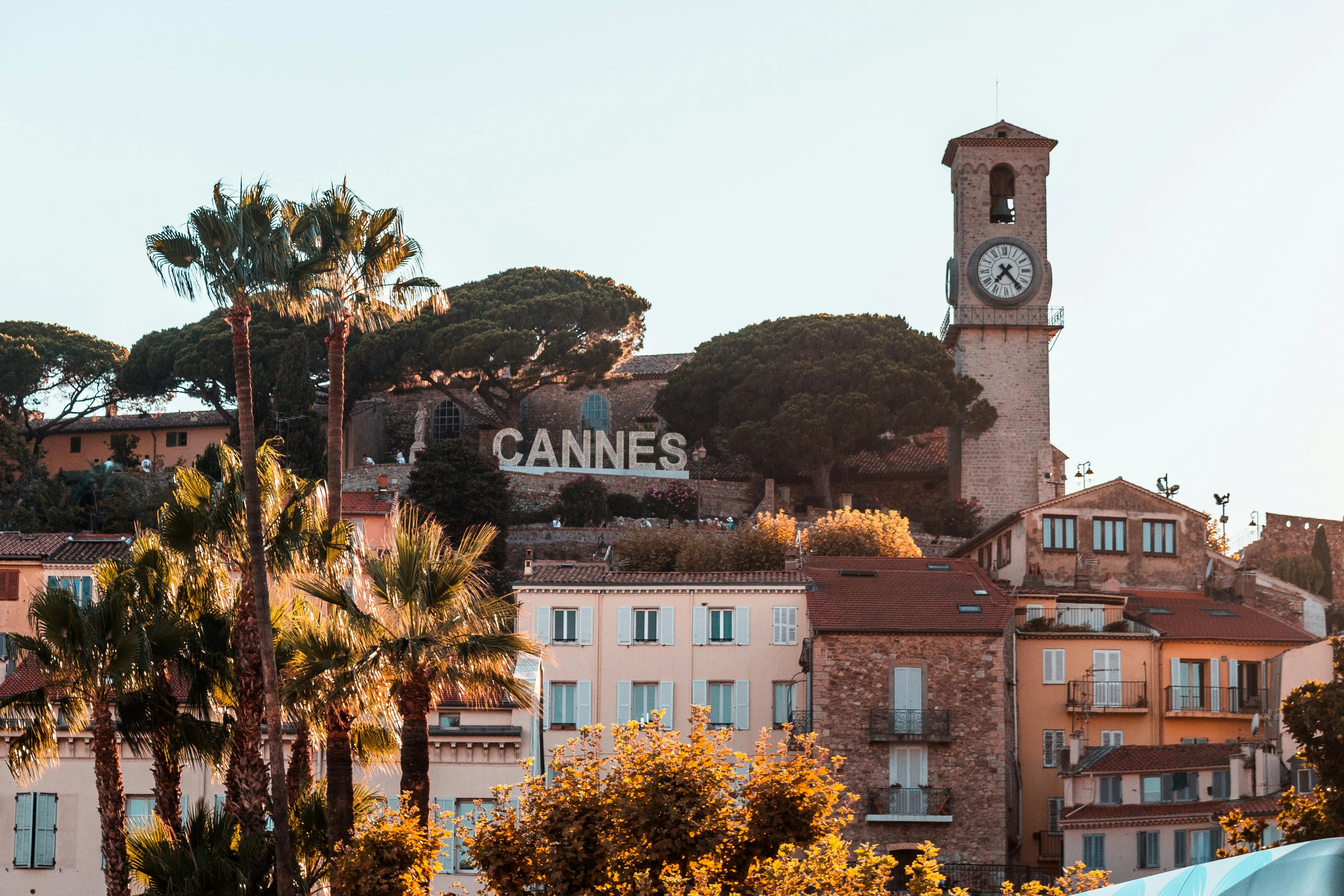
When a major international event takes over a destination, the local infrastructure invariably collapses under the weight of the influx. During the Cannes Film Festival, the famous Croisette becomes a heavily fortified, impassable artery. During the Monaco Grand Prix, the principality’s winding streets are locked down behind miles of concrete barriers and wire fencing, rendering standard ground transportation useless. During Paris Fashion Week, moving between the Left and Right Banks can take hours of gridlocked frustration. In these critical moments, geography becomes the ultimate luxury.
The elite traveler understands that during peak event seasons, a suite is evaluated primarily on its logistical superiority and its ability to bypass friction. The architecture of the building itself must facilitate seamless, private movement. High-profile guests, A-list celebrities, and corporate leaders do not have the luxury of time, nor can they afford the friction of navigating crowded, paparazzi-filled public lobbies. Therefore, the most coveted suites in the world are those that offer alternative, highly secure access points. Suites equipped with private subterranean elevator banks, direct underground garage access, or proximity to private helipads command extraordinary premiums because they offer the ultimate commodity: absolute invisibility and speed.
Furthermore, the geographical positioning of the suite relative to the event epicenter dictates its market value. In Monaco, the diamond-tier suites are not judged merely on the provenance of their marble bathrooms; they are the specific corner penthouses that offer unobstructed, terrace-level sightlines over the track. In Cannes, the legendary suites are fought over not just for their heritage, but because their balconies face the exact trajectory of the red carpet. During these critical dates, you are not merely renting square footage; you are acquiring a strategic logistical asset that guarantees you remain above the fray while the rest of the city struggles with the operational friction of the event.
2. The Art of Anticipation: Mastering Time and Scarcity
The most common misconception regarding ultra-luxury hospitality is the belief that infinite financial resources guarantee infinite access. During the peak of the global event calendar, this assumption shatters completely. You simply cannot buy a suite that is not for sale. The highest echelon of hotel inventory—the signature penthouses, the presidential suites, and the historical multi-bedroom apartments—operates on an entirely separate temporal dimension. To inhabit the inaccessible, one must master the architecture of time.
This invisible market operates on extraordinary lead times that defy standard booking logic. For a marquee event like Art Basel in Miami or the Venice Biennale, attempting to book a top-tier suite three or four months in advance is a fool’s errand; the premium inventory has already evaporated. The elite booking cycle operates on a strict twelve to eighteen-month rolling calendar.
Moreover, the finest suites in the world are heavily governed by the unwritten hospitality rule of the "Right of First Refusal." When a major luxury fashion house books the penthouse of a Parisian palace for Fashion Week, or when a Hollywood production studio secures a grand suite on the Riviera for a film premiere, they are not just booking it for that specific year. Upon checkout, the hotel management quietly offers them the right to hold the exact same suite for the exact same dates the following year. This creates a legacy bottleneck where the world’s best suites never actually enter the public digital reservation systems. They are passed down through rolling corporate contracts, family office retainers, and private handshakes.
Breaking into this closed loop requires immense anticipation and professional leverage. It requires working with specialized curators, utilizing elite concierge networks, and understanding the precise moment when unconfirmed holds are released back into the wild. Mastering the global calendar means booking your sanctuary for the Monaco Grand Prix while the engines of the current year are still cooling down on the tarmac. Anticipation is the true price of entry.
3. The Suite as a Stage: Hosting, Representation, and Negotiation
During the global calendar’s peak moments, the functional utility of a luxury suite shifts aggressively from a private residential sanctuary to a high-powered commercial stage. The suite ceases to be a place to sleep and becomes a critical business tool. When top-tier creative directors, film producers, and international art dealers travel for major summits, they bring their entire operational ecosystem with them. The architecture of the suite must be capable of supporting this intense B2B functionality without losing its residential elegance.
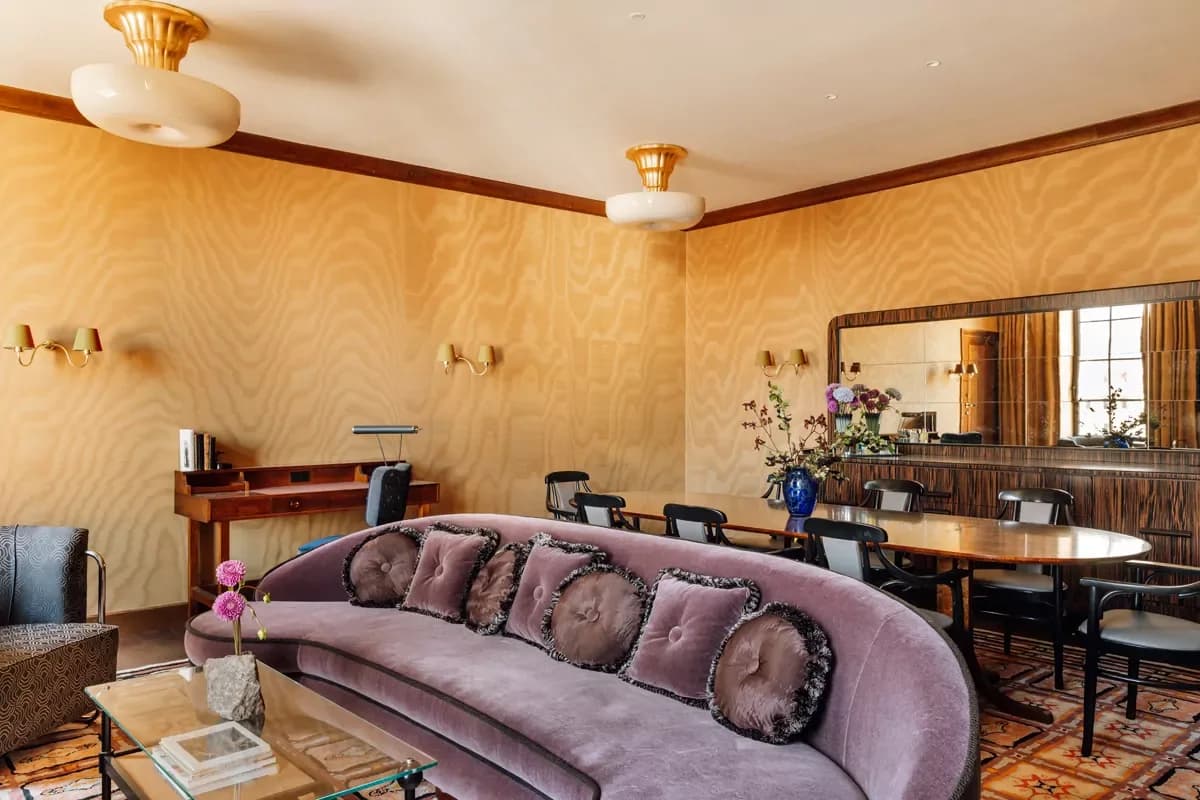
This functional shift requires a very specific architectural layout. The standard open-plan luxury suite is virtually useless during a Fashion Week or a Film Festival. Elite professionals require a strict structural division between public and private zones. The most sought-after suites feature a classic enfilade layout or a distinct vestibule separation that acts as a security checkpoint.
The primary requirement is a monumental grand salon. This volume serves as the public stage: it is where fashion designers host private fittings for VIP clients, where film directors conduct back-to-back press junkets with international media, and where art collectors finalize multi-million-dollar acquisitions over evening cocktails. To support this, the suite must feature a dedicated guest powder room (ensuring visitors never breach the privacy of the master bathroom) and a fully equipped, concealed butler’s pantry or catering kitchen, allowing staff to prepare and serve canapés and champagne without disrupting the flow of the room.
The master bedroom and private dressing areas must remain completely fortified and acoustically isolated from this commercial chaos. The suite becomes an ephemeral showroom, demanding structural grandeur, massive natural light for photography and makeup artistry, and the physical square footage to accommodate styling racks, security details, and public relations teams. When evaluating a suite for a global event, its value is directly proportional to its capacity to host, impress, and represent the brand identity of the guest.
4. The Sanctuary Effect: The Luxury of Decompression
While the grand salon serves as the ultimate stage for public representation, the true luxury of an event suite lies in its ability to offer radical decompression. The physical and psychological toll of navigating a major global event is immense. After enduring the flashing bulbs of a highly publicized red carpet, the relentless acoustic assault of a Formula 1 race weekend, or the endless social marathons of a major Art Biennale, the resident's nervous system is highly overstimulated.
In these moments, the suite must act as an impenetrable fortress of silence. The architecture of decompression is arguably the most complex engineering feat in luxury hospitality. The finest event suites in the world prioritize deep acoustic isolation above all else. This means triple-glazed, argon-filled acoustic windows that entirely mute the sirens and street noise of London, New York, or Paris. It requires internal walls layered with high-density wool and acoustic plasters to ensure that the after-party occurring in the adjacent penthouse does not bleed into your sleeping quarters.
Furthermore, the Sanctuary Effect demands absolute operational autonomy. During peak seasons, public hotel spaces—lobbies, bars, and main dining rooms—are overrun with tourists, paparazzi, and aggressive networking. The elite guest requires a suite that allows them to bypass these public arenas entirely. This means integrating private wellness infrastructure directly into the suite’s floor plan: oversized steam hammams carved from raw stone, deep soaking tubs, chromotherapy lighting, and dedicated massage treatment areas where therapists can be brought in discreetly for recovery sessions. Coupled with a highly responsive, 24-hour dedicated butler service, the architecture ensures that the guest can retreat, recover, and recalibrate in total sensory deprivation before re-entering the chaos of the global calendar the following morning.
5. The Global Calendar: Mapping the Inaccessible
To successfully navigate the highest echelons of global travel, one must structure their year around the four central pillars of elite culture. Each of these macro-seasons demands a totally different approach to hospitality, geographical positioning, and aesthetic curation. Here is the definitive map of the inaccessible, designed to guide your strategic reservations.
Haute Couture & The Fashion Summits
The fashion calendar is a relentless global rotation, primarily anchored by the prestigious "Big Four": Paris, Milan, New York, and London. During Fashion Weeks, the demand for expansive, highly aesthetic suites skyrockets. Creative directors and top-tier influencers require vast wardrobe storage, exceptional natural lighting for beauty preparation, and central locations in the 8th arrondissement of Paris or the Golden Triangle in Milan. The suites chosen during these weeks are highly scrutinized by the media; their interior design must align perfectly with the aesthetic brand of the resident. Properties like Le Meurice, the Plaza Athénée, or Hôtel de Crillon in Paris, alongside the Mandarin Oriental in Milan, become de facto corporate headquarters for houses like Chanel or LVMH. To understand how these palaces adapt, explore our dedicated Fille Article: Fashion Week Strongholds: The Suites Where Collections Are Born.
Art Biennales & Design Fairs
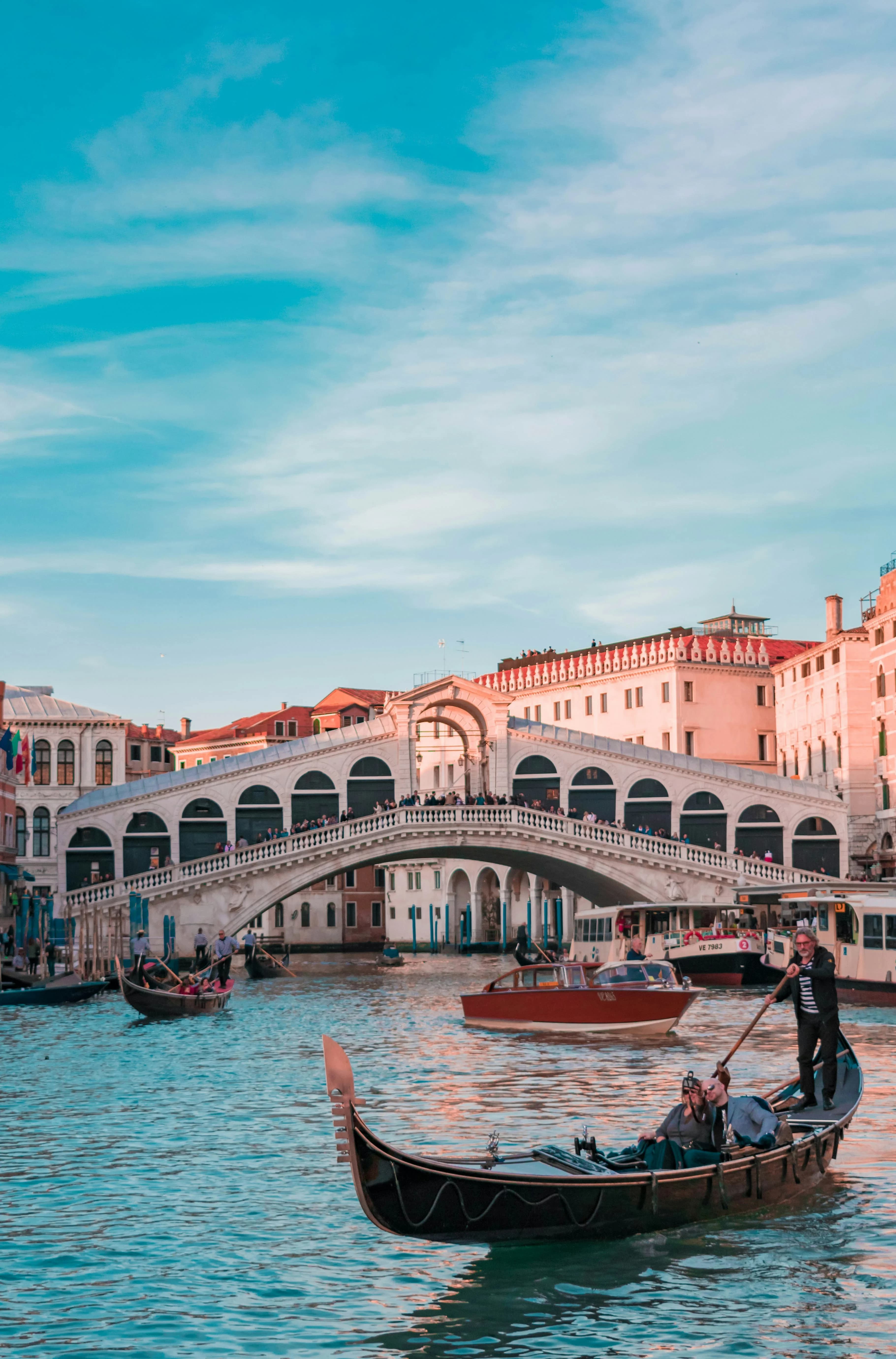
The global art circuit—featuring titans like Art Basel in Switzerland and Miami Beach, the Venice Biennale, and Frieze in London and Seoul—attracts a demographic of ultra-wealthy collectors, gallery owners, and design purists. For these events, the choice of suite leans heavily toward architectural significance, gallery-like wall space, and historical weight. Collectors prefer to stay in suites authored by renowned architects or properties that feature their own museum-grade art collections. In Venice, securing an historic piano nobile suite at the Aman Venice or the Gritti Palace with a private Grand Canal dock is the ultimate logistical play. Similarly, the Faena in Miami serves as a vibrant cultural hub during Art Basel. Discover our curated selection in The Art Circuit: Starchitect Suites and Private Docks for Basel and the Biennale.
Cinematic & Cultural Epics
Film festivals such as Cannes, the Venice Mostra, and the Academy Awards in Los Angeles dictate an entirely different set of rules. The cinematic season is built entirely around theatricality, media exposure, and privacy. The suites required for these events must balance extreme public visibility (terraces for photo calls) with extreme private security. The retro-glamour of the French Riviera or the Golden Age allure of Beverly Hills takes center stage, with a heavy emphasis on properties capable of hosting massive, confidential after-parties. The penthouse terrace at the Hôtel Martinez or the newly structural Carlton Cannes suites serve as both fortresses and photo-call stages. Read our full report, The Riviera Red Carpet: Behind the Penthouse Doors of the Cannes Film Festival.
Elite Sports & Grand Prix Circuits
The demographic attending the Monaco Grand Prix, the Wimbledon finals, or the Masters Tournament requires raw logistical dominance. For Formula 1, trackside visibility from private hotel terraces is the most expensive and highly contested real estate on earth. For elite tennis or golf, the focus shifts to grand heritage properties offering unparalleled concierge access to the grounds, private transportation fleets, and massive wellness centers for post-event recovery. The Suite Garnier at the Hôtel de Paris, along with the strategic vantage points at the Hôtel Hermitage, offers the definitive, unobstructed visual monopoly over the Monaco track. Dive into the logistics of speed with our guide, Trackside Monopolies: The Best Terraces for the Monaco Grand Prix.
6. The Aesthete's Insight: The Pitfalls of Peak Season
At La Suite, we believe that true luxury curation requires uncompromising honesty. While attending the world’s most glamorous events is an extraordinary experience, it is also the period when the luxury hospitality industry is at its most vulnerable. The immense pressure placed on a hotel’s infrastructure during a global summit frequently reveals the cracks in its operational armor, leading to significant pitfalls that the elite traveler must actively avoid.
The most prevalent danger is artificial price inflation disconnected from service quality. During events like the Monaco Grand Prix or Miami Art Basel, nightly rates for signature suites can multiply by a factor of five to ten. However, because the hotel is operating at maximum capacity, the actual staff-to-guest ratio plummets. Room service that typically takes twenty minutes may suddenly take over an hour; concierge requests fall through the cracks, and the overall intimacy of the luxury experience is destroyed by the sheer volume of foot traffic in the lobbies. You are paying the highest premium of the year for what is often the lowest standard of service the property will deliver.
Another critical pitfall is the loss of the "Sanctuary" standard. Many hotels capitalize on the desperation for event proximity by marketing lower-tier suites or awkwardly combined connecting rooms as premium event inventory. These spaces often lack the structural acoustic isolation, the dedicated butler service, and the premium material finishes of true signature suites. Furthermore, the noise pollution generated by surrounding event activations, rooftop parties, and street-level crowds can easily penetrate standard glazing, transforming your multi-thousand-dollar room into an exhausting, sleep-deprived echo chamber.
Our clinical advice for navigating the global calendar is strict: never compromise on architectural acoustics and private logistics just for a closer zip code. It is often infinitely more luxurious to secure a masterful, deeply isolated signature suite in a neighboring district—utilizing a private chauffeur or water taxi for rapid extraction—than to overpay for an inferior, noisy, and operationally strained suite situated directly on top of the chaotic epicenter. True luxury is not just about being at the center of the world; it is about retaining the absolute power to retreat from it on your own terms.
Frequently Asked Questions
How do ultra-luxury hotels handle extreme security and privacy during major global events?
During summits like the Cannes Film Festival or Paris Fashion Week, top-tier properties implement strict protocols. This involves sealing off entire floors, dedicating specific service elevators exclusively to high-profile guests, and deploying private, non-uniformed security details at corridor choke points. True luxury hotels will coordinate directly with a guest's personal security team months in advance to map out subterranean entry routes, ensuring the resident never has to cross a public lobby.
Is it actually possible to secure a signature suite during a heavily sold-out event if I don't have a legacy reservation?
Yes, but it requires bypassing standard digital booking engines entirely. Signature suites for global events are held in offline pocket inventory. To unlock them, you must operate through elite travel curators, specialized luxury concierges, or have a direct, established relationship with the hotel's executive management. Hotels deliberately hold back one or two premium suites until the final weeks to accommodate last-minute dignitaries, royal families, or critical corporate partners.
What specific architectural features define a true "Hosting Suite" for business and PR during a festival?
A functional hosting suite is defined by absolute spatial segregation. It must feature a vestibule entry, a dedicated guest powder room completely separate from the master en-suite, and a clear architectural divide between the grand salon and the private sleeping quarters. Additionally, a concealed butler’s pantry with a secondary service entrance is mandatory, allowing staff to clear glassware and replenish catering without interrupting a high-stakes media interview or business negotiation in the main salon.
Why do some elite travelers prefer to stay slightly outside the host city during a major event?
This strategy, often referred to as "satellite luxury," is driven by a desire for absolute operational control. By booking a sprawling luxury estate or a highly exclusive resort thirty minutes away from the event epicenter, the guest avoids the suffocating crowds, the gridlocked traffic, and the compromised hotel service levels of the host city. They utilize private helicopters or chartered speedboats for surgical, rapid insertion into the event, combining VIP access with total, uninterrupted sanctuary isolation at night.
Conclusion: Mastering the Architecture of Access
Navigating the global calendar of the inaccessible is the ultimate test of a modern traveler's sophistication. The true luxury of attending the world's most exclusive summits—from the flashbulb-lit red carpets of the Riviera to the high-stakes auction rooms of international art fairs—is not merely about securing a ticket to the event; it is about securing the perfect architectural environment to process and control the experience.
A strategically selected signature suite is a powerful instrument. It is the fortress that protects your focus, the stage that amplifies your professional influence, and the sanctuary that engineers your physical recovery. As you map out your upcoming year, remember that proximity is only valuable if it is paired with absolute privacy, and that anticipation is the single most powerful currency in ultra-luxury travel. By mastering the logistical geography and temporal rhythms of these elite events, you cease to be a passive participant in the chaos, elevating yourself to the position of a true connoisseur of the world's most inaccessible spaces.