
The Aesthetic Movements Shaping the Suites of Tomorrow
BY Jules PEULET
The visual vocabulary of high-end travel has evolved. Master the aesthetic movements defining the world's most exclusive suites, from raw mountain sanctuaries to high-drama cinematic sets.
A luxury hotel suite is no longer merely an exercise in high square footage and premium upholstery; it is a profound psychological landscape. When the modern elite traveler crosses the threshold of a master suite, they are stepping into a highly calibrated sensory environment designed to evoke a specific mental state. The era of the generic corporate luxury room—defined by uniform layouts and non-committal beige color palettes—has been replaced by an era of sharp aesthetic division.
For the modern design connoisseur, understanding the visual codes of hospitality is the key to mastering the travel experience. The choices made by elite interior architects do not just create visual appeal; they dictate human behavior, alter cognitive stress levels, and define the practical utility of a space. A venture capitalist exiting a high-stakes corporate negotiation requires an entirely different environmental canvas than a creative director sourcing visual inspiration for an upcoming collection.
This comprehensive guide decodes the dominant aesthetic movements redefining the global hotel layout, exploring the profound psychological impact of spatial styles, and transforming the reader into a true connoisseur capable of translating visual forms into personal sanctuaries.
1. Quiet Luxury & Radical Minimalism: The Art of Visual Silence
In an ultra-connected global economy defined by sensory overload, constant digital notifications, and dense urban noise, the ultimate architectural luxury is no longer accumulation—it is absolute omission. This realization forms the foundation of Quiet Luxury and Radical Minimalism, a design movement heavily favored by traditional asset holders and the global "Old Money" demographic. This aesthetic is not merely a styling choice; it is a structural discipline that treats the absence of objects as a primary luxury asset.
Architecturally, this movement relies on what master designers call "the luxury of the void." Instead of filling a room with decorative trim, cornices, and structural columns, minimalist architects strip the volume down to its purest geometric essence. The eye is given permission to rest. Walls are treated with continuous, matte finishes such as micro-cement, raw lime washes, or hand-applied acoustic plasters from specialized firms like Armourcoat. These seamless surfaces eliminate visual seams, creating an illusion of infinite volume where the boundaries of the room seem to recede.
The psychological impact of this movement on the resident is immediate and profound. By removing all superficial distractions, the architecture acts as a neurological filter, lowering cortisol levels and inducing a state of deep cognitive decompression. True minimalism demands a level of material execution that leaves no room for error: because there are no decorative mouldings or heavy fabrics to hide defects, every joinery line, shadow reveal, and stone cut must be executed with absolute perfection.
For a deeper exploration into how this spatial philosophy differs from cosmetic styling, our dedicated analysis on Quiet Luxury & Minimalisme: The Art of Visual Silence details the technical mastery required to build a sanctuary of pure omission.
2. Solar Maximalism: The Architecture of Narrative and High Drama
Directly opposing the silent restraint of the minimalist movement sits Solar Maximalism, a vibrant, highly theatrical design philosophy often referred to as the modern "Palazzo" style. This movement operates on the belief that a premium suite should function as a high-contrast narrative stage, celebrating cultural history, artistic accumulation, and bold geographic identities. It is an aesthetic tailored precisely for travelers who view travel as an act of personal representation, celebratory hosting, and creative stimulation.
Solar Maximalism rejects the concept of the quiet, neutral interior. Instead, it embraces high-saturation color theory, complex pattern mixing, and grand historical layering. Walls in these suites are rarely painted simple white; they are wrapped in hand-painted scenic wallpapers from historic houses like Zuber or de Gournay, or lined in rich, deeply veined marbles like Calacatta Viola, Rosso Levanto, or emerald-hued Irish green stone. Furniture configurations are intentionally dense and curated, mixing custom contemporary designs with rare museum-grade antiques, hand-woven silk tapestries, and avant-garde ceramic sculptures.
The lifestyle within a Solar Maximalist suite is fundamentally outward-looking. These spaces are engineered for presentation, intellectual conversation, and formal entertaining. The central salon is dominated by monumental focal points—such as a hand-carved open fireplace or a grand bespoke wet bar integrated into lacquered walnut cabinetry. The psychological effect is one of intense creative activation and sensory euphoria; the dense layering of patterns and textures challenges the mind, sparking curiosity and providing constant visual inspiration. To discover the finest examples of this high-contrast, story-driven approach to luxury hospitality, read our complete curatorial review, Le Maximalisme Solaire: The Bold Return of Color, Narrative, and Pattern.
3. Cinematic Chic: The Retro-Futurism of the Golden Era
Cinematic Chic represents a deeply nostalgic, highly stylized movement that bridges the gap between historical architecture and the theatrical worlds of mid-century cinema. Drawing heavy inspiration from the design languages of the late 1960s and 1970s, this aesthetic movement transforms the luxury hotel suite into a sultry, low-slung lounge environment where the line between private living quarters and private club completely disappears.
The architectural blueprint of a Cinematic Chic suite is defined by organic geometry, sweeping fluid curves, and radical lighting manipulation. Sharp right angles are systematically replaced by radiused wall corners, vaulted ceilings, and circular structural columns wrapped in high-gloss lacquers or brushed metals. The spatial distribution centers around low-profile furniture arrangements: modular sofas with deep seating profiles sit flush against the floor, conversation pits are recessed directly into the structural slab, and beds are positioned on grand, illuminated platforms. Material choices emphasize deep sensuality, utilizing plush mohair velvets, polished burl wood veneers, tinted smoked glass panels, and hand-tufted shaggy wool rugs.
Lighting is the primary tool used to define the atmosphere in a Cinematic Chic environment. Natural daylight is often softened through semi-translucent bronze sheers, while internal illumination relies entirely on indirect, low-wattage accent points. Master architects source authentic, collectible vintage luminaires from mid-century design gods like Tobia Scarpa, Gae Aulenti, and Achille Castiglioni to anchor the rooms in historical reality. The psychological environment created by this style is intimate, confidential, and deeply relaxing, offering an elite cocoon that protects the high-profile guest from the pressures of the modern public sphere. Explore our selection of properties mastering this highly atmospheric style in our focused feature, Le Chic Cinématographique: Inside Hospitality’s Most Atmospheric Retro Suites.
4. Local Heritage & Regional Adaptations: Designing for Geography
True design excellence requires an absolute connection to place. The movement of Local Heritage and Regional Adaptation is an architectural philosophy that rejects the imposition of global styles, demanding instead that the interior architecture of a suite be dictated by its surrounding geography, climate, and ancestral building techniques. This movement creates a perfect aesthetic loop between the interior envelope of the suite and the external landscape.
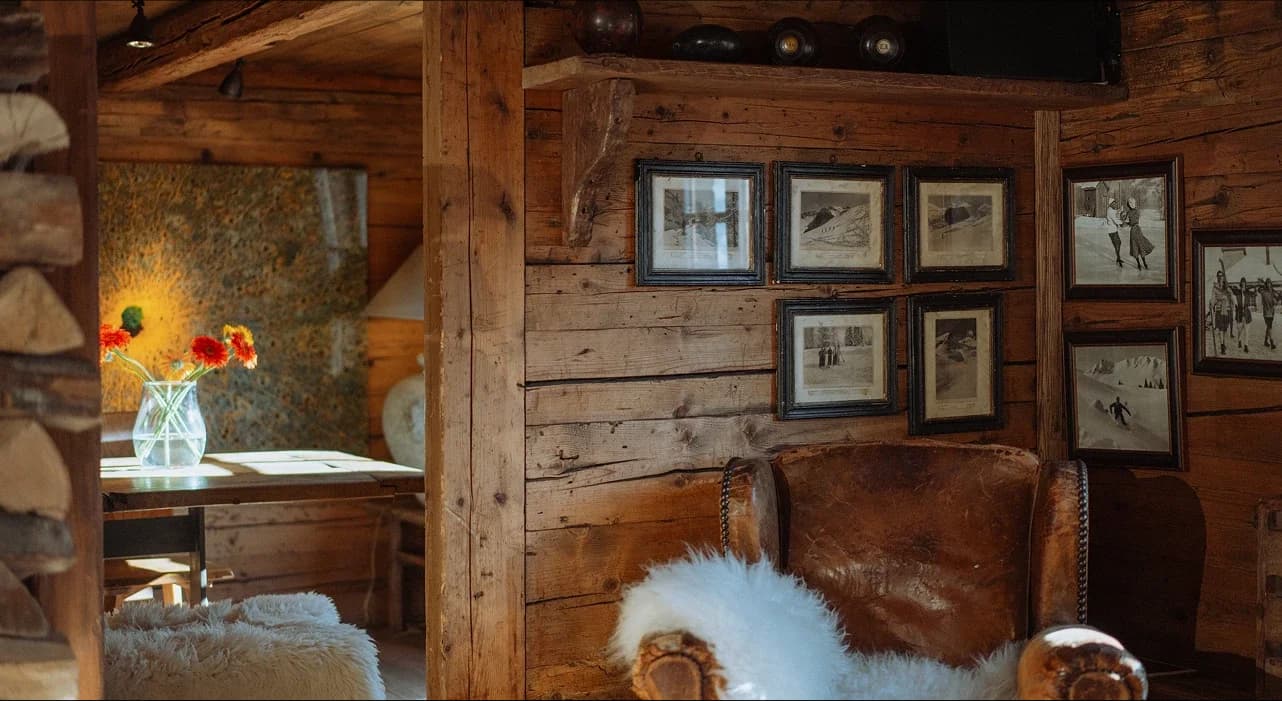
In high-altitude alpine settings, this movement manifests as Alpine Minimalism. Moving far away from the clichéd, rustic imagery of the traditional mountain cabin, contemporary designers create elevated mountain sanctuaries using raw, untreated local larches, reclaimed split-face granites, and natural wool insulations from local mills. The focus turns toward massive picture windows that frame the snow-covered peaks, treating the outdoor landscape as the primary piece of art inside the room.
Conversely, in coastal environments, the movement transitions into refined Mediterranean or Tropical Modernism, swapping heavy timbers for sun-bleached sandstones, exposed structural concrete, local terracotta pavers, and hand-woven rattan ceilings that facilitate natural cross-ventilation.
The psychological value of a regionally adapted suite is its ability to induce a profound sense of grounding and authentic cultural connection. The guest is never confused about where they are waking up; the weight of the local stone beneath their feet and the smell of the natural wood paneling anchor them immediately in the reality of the destination. To map out how the world's most talented architects alter their material palettes across different global landscapes, read our exhaustive geographic study, L'Héritage Local: How Geography, Climate, and Craft Form the Suite.
5. The Radical Trend: Organic Brutalism in the Wild
Beyond traditional regional styles, an avant-garde aesthetic movement has emerged at the intersection of architecture and raw nature: Organic Brutalism. This radical movement represents a dramatic departure from standard luxury formulas, capturing the imagination of creative leaders, tech visionaries, and architectural purists worldwide. It is a style designed for deep isolation, shifting the hospitality experience from urban luxury to elemental raw survivalism.
Architecturally, Organic Brutalism combines the monumental, uncompromising forms of classic mid-century brutalism with the chaotic textures of the natural wilderness. Suites built under this philosophy are constructed primarily of exposed, board-marked structural concrete cast directly against local timber frameworks, leaving the rough grain of the wood permanently etched into the stone walls. These massive concrete structures are integrated directly into wild landscapes—whether carved into the volcanic cliffs of Santorini, hidden within the dense jungles of Mexico, or half-buried in the sand dunes of remote coastal properties.
Interior volumes within an Organic Brutalist suite are cavernous and primitive. Furnishings are treated as structural extensions of the building itself: concrete beds are cast directly out of the floor slab, bathtubs are chiseled out of monolithic boulders, and entryways utilize massive pivoting iron panels instead of standard wooden doors. There is a complete lack of applied decoration; the luxury is found entirely in the raw textures of the materials, the monumental scale of the ceilings, and the dramatic frame of nature outside. The psychological impact is grounding and transformative, stripping away the artificial layers of modern life to reconnect the resident with the elemental weight of the earth.
6. The Aesthete's Insight: The Conflict Between Style and Usability
At La Suite, our core philosophy demands that we evaluate every design movement through a strict lens of operational reality. While each of these aesthetic paths offers immense visual inspiration and distinct emotional benefits, they all carry significant structural flaws that can severely compromise the daily comfort and functional efficiency of an elite traveler.
The primary pitfall of Radical Minimalism is its total lack of operational forgiveness. In a space stripped of all decorative elements, the slightest human intrusion disrupts the architectural intent. The lack of visible storage systems means that an open suitcase or a scattered wardrobe instantly turns a serene sanctuary into a chaotic mess. Furthermore, the acoustic profile of minimalist suites is frequently problematic; the hard, reflective surfaces of micro-cement floors and bare plaster walls create an echo chamber that amplifies minor internal sounds, ruining the sense of quiet isolation.
Conversely, the challenge of Solar Maximalism is sensory exhaustion. While a highly decorated, multi-patterned salon is incredibly stimulating for an evening cocktail reception, living alongside high-contrast wallpapers and intense color saturation over a multi-week stay can induce cognitive fatigue, making it highly difficult for a business leader to achieve deep, restorative rest.
In Cinematic Chic properties, the primary functional failure is almost always lighting ergonomics. The dramatic, low-lux atmospheres that look exceptional in editorial photographs regularly fail the test of basic utility. Dressing wardrobes are frequently cast in shadow, making it impossible to accurately distinguish clothing colors, while master vanities lack the clean, cross-illuminated neutral light required for precise grooming.
Our strategic, independent advice for the modern traveler is clear: match your suite's aesthetic style to the operational goal of your journey. If your trip requires absolute focus, mental clarity, and high corporate productivity, select the structural order of a Modernist or Regionally Grounded suite. If you are traveling for creative renewal, creative writing, or social representation, lean into the rich, cinematic worlds of Maximalism and Retro-Chic, but always verify that the architect has not sacrificed the basic laws of human ergonomics on the altar of pure visual style.
The Curation Hub: Aesthetic Movements at a Glance
Quiet Luxury & Minimalism
Aesthetic Markers: Matte lime washes, seamless micro-cement, concealed storage networks, and flush shadow reveals.
Psychological Intent: Neurological decompression, cognitive rest, and the complete elimination of visual static.
Best Suited For: High-stress corporate leaders, venture capitalists, and recovery-focused retreats.
Solar Maximalism
Aesthetic Markers: Hand-painted scenic wallpapers, heavily veined exotic marbles, antique curation, and deep historical layering.
Psychological Intent: Creative stimulation, intellectual activation, and grand social presentation.
Best Suited For: Creative directors, designers, hosting private events, and celebratory urban journeys.
Cinematic Chic
Aesthetic Markers: Low-slung modular seating, curved structural walls, mohair velvets, burl wood, and authentic mid-century collectible luminaires.
Psychological Intent: Intimate cocooning, emotional sensuality, and absolute private isolation.
Best Suited For: High-profile public figures seeking total anonymity and short, sensory weekends.
Alpine Minimalism
Aesthetic Markers: Untreated local larch timber, split-face regional granites, raw wool textures, and monumental panoramic windows.
Psychological Intent: Environmental grounding, elemental security, and direct integration with nature.
Best Suited For: Winter restoration, long-form creative writing, and deep nature disconnection.
Organic Brutalism
Aesthetic Markers: Board-marked exposed structural concrete, monolithic stone fixtures, primitive geometry, and integration into wild terrain.
Psychological Intent: Primal reduction, extreme spatial grounding, and absolute sensory stripping.
Best Suited For: Design purists, architectural professionals, and complete digital detoxification.
Conclusion: The Architecture of Feeling
The ultimate measure of a hotel suite is not what it looks like in a digital gallery; it is how it alters the emotional state of the human body inhabiting it. Whether you find your peace within the absolute visual silence of a minimalist limestone sanctuary or find inspiration within the theatrical, narrative-driven volumes of a modern maximalist palazzo, the choice of style is a choice of lifestyle strategy. By understanding the visual movements and structural philosophies that guide the world’s elite architects, you can actively select the environment that serves your emotional, creative, and operational needs.
To explore these design worlds further and locate the exact property that matches your personal aesthetic blueprint, we invite you to access our curated network of global style guides, independent regional breakdowns, and raw, clinical suite evaluations. True travel luxury is no longer about checking into an exceptional address; it is about choosing the exact atmosphere where you can fully become yourself.
Frequently Asked Questions
How does an individual's psychological profile dictate the choice between a minimalist and a maximalist suite?
The choice is driven by your current cognitive state and the goal of your journey. High-intensity professionals who spend their days managing complex data and public visibility require a minimalist environment to lower active brain activity and trigger physical relaxation. Conversely, individuals seeking to break out of a creative block require the dense artistic stimulus, historical layering, and unexpected color pairings of a maximalist layout to spark lateral thinking.
Why do mid-century collectible light fixtures hold such a critical role in Cinematic Chic suites?
Mid-century lighting designs from the 1960s and 70s were engineered during a golden era of plastics, molded glass, and industrial manufacturing. These fixtures do not merely throw light; they direct it through sculptural forms, producing soft, low-glare pools of illumination that alter the perceived scale of a room. Sourcing original pieces instead of modern reproductions anchors the suite in true historical reality, giving the space the depth of an authentic collector's archive.
What is the technical danger of hard surfaces in contemporary luxury suite design?
When an architect prioritizes continuous hard materials—such as raw concrete, unpolished travertine, or seamless micro-cement—without integrating hidden acoustic absorption layers, the suite develops a high reverberation time. This results in hollow sound signatures, where the hum of an air conditioning unit or a footstep on the floor bounces off the walls, preventing the guest from achieving the deep, restorative state of rest that defines true luxury hospitality.